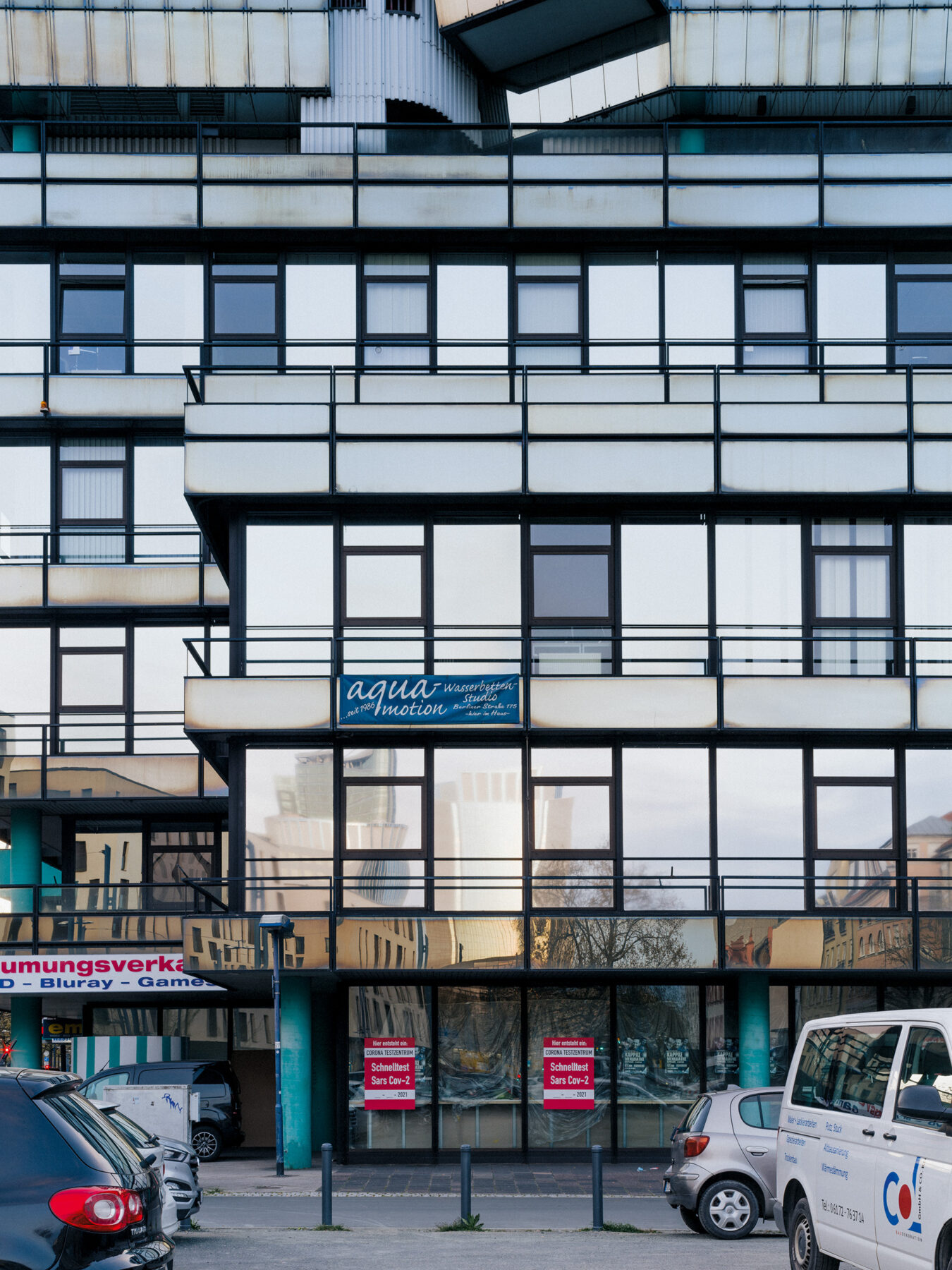
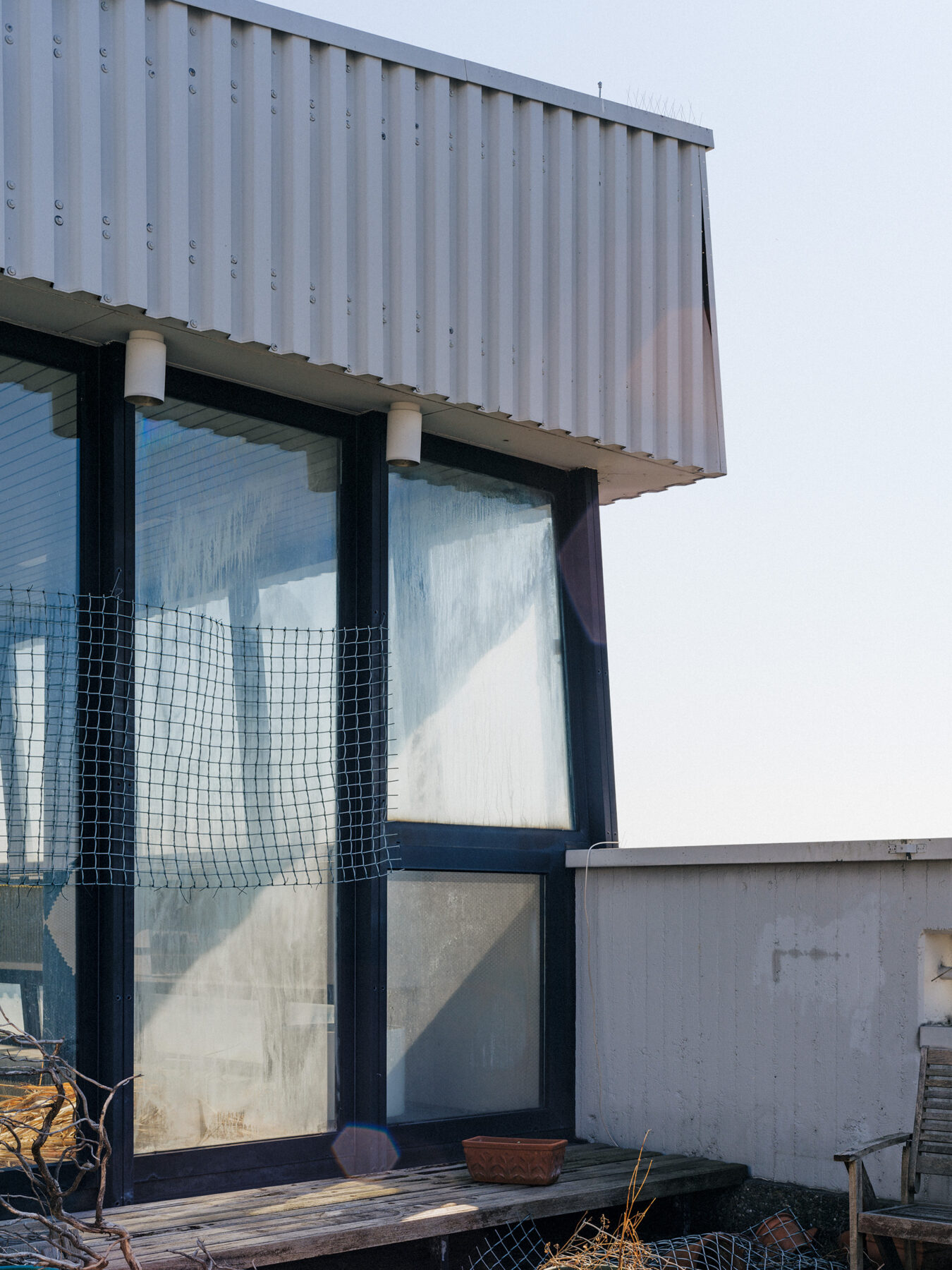
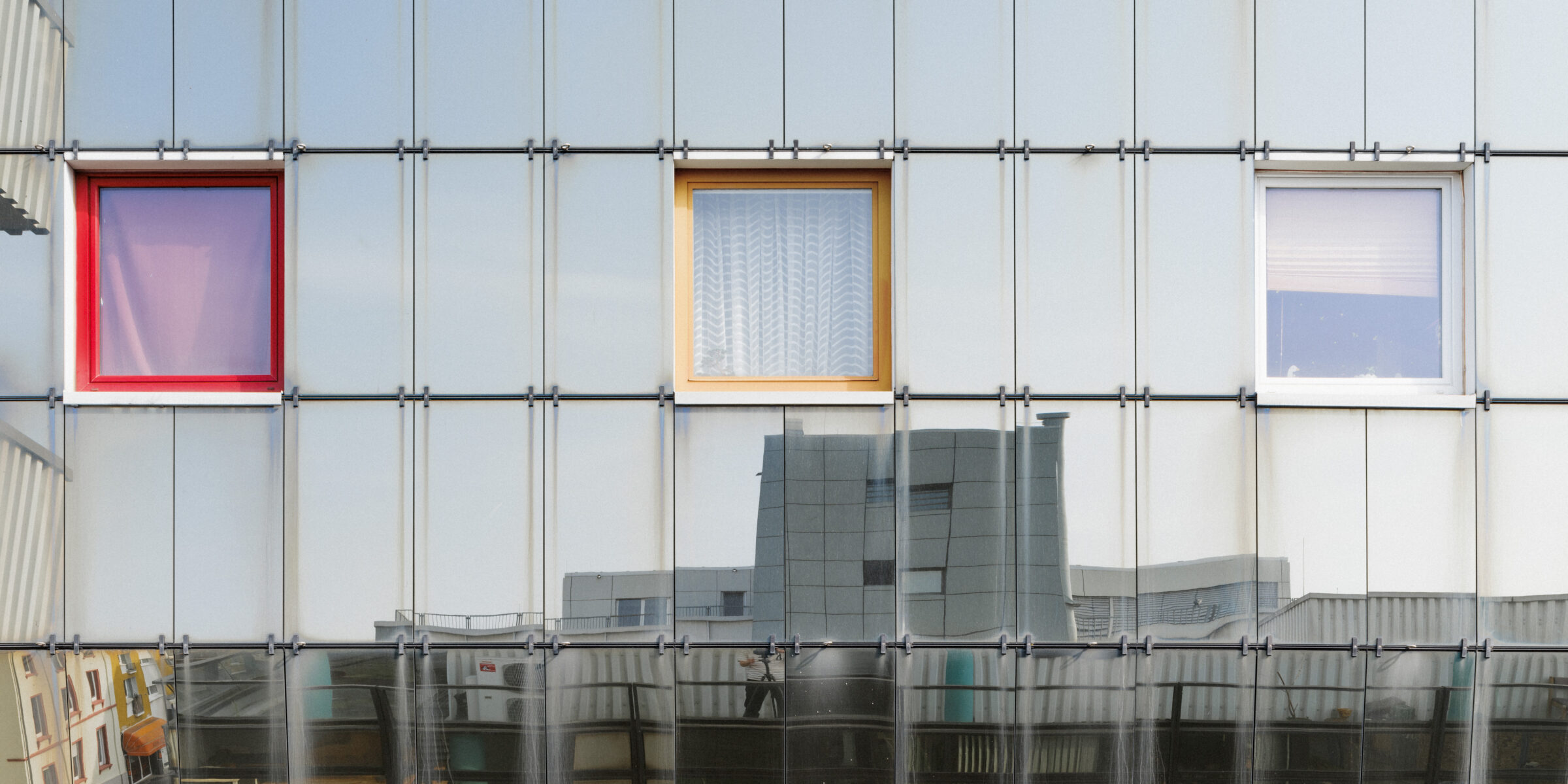
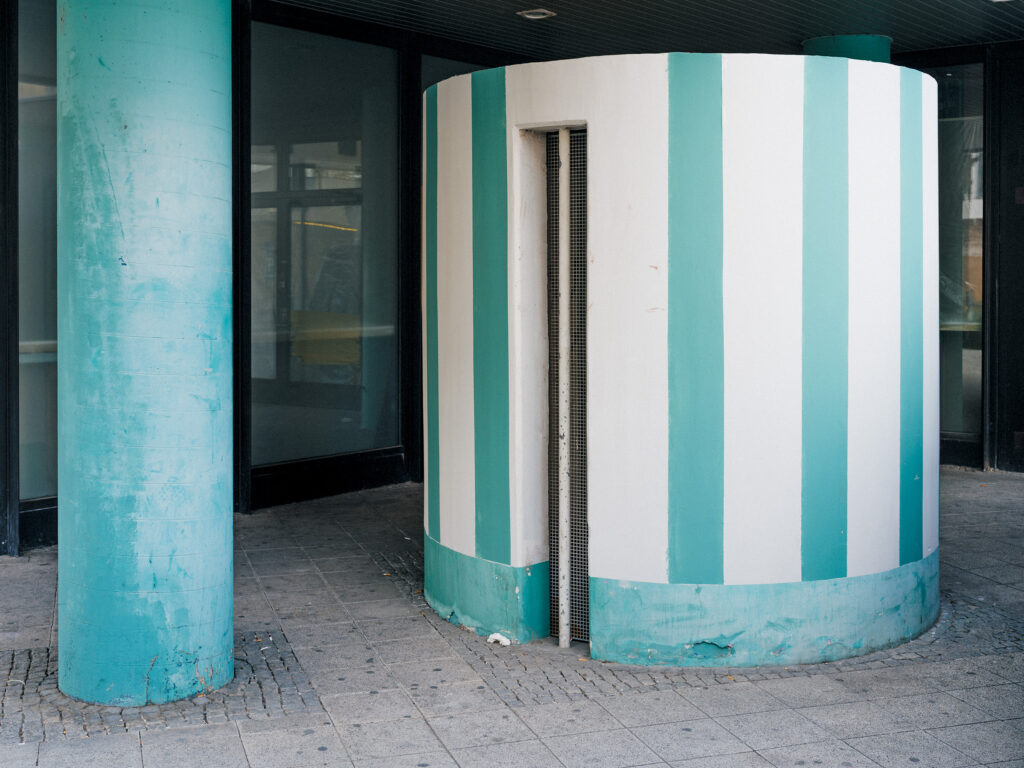
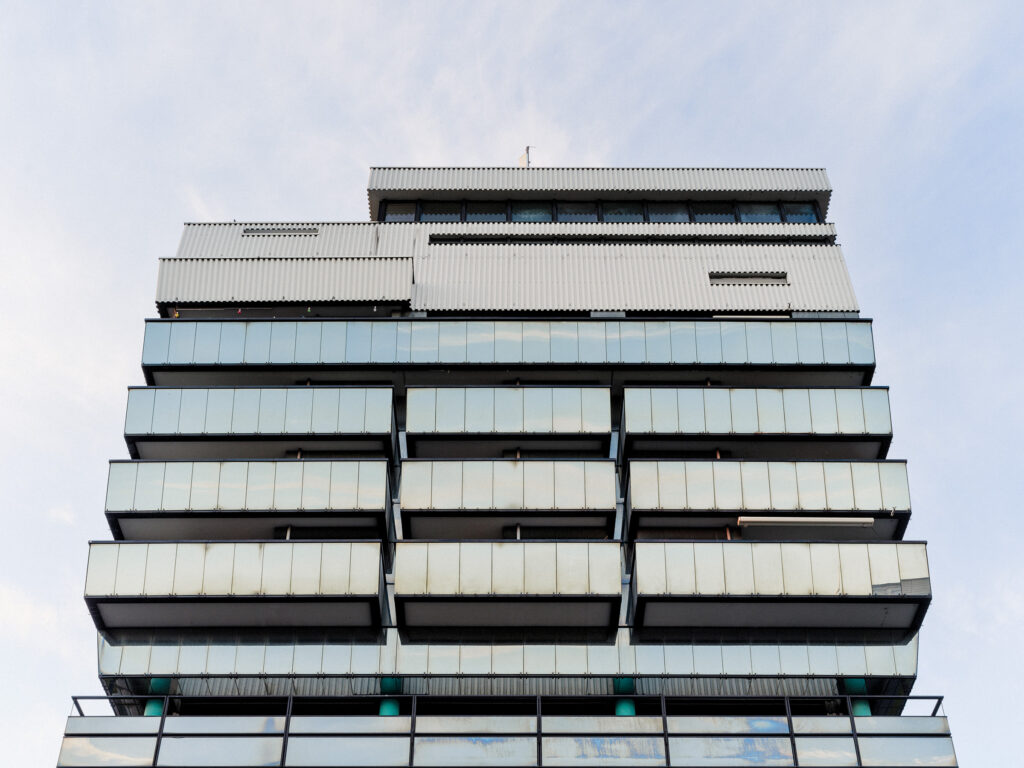
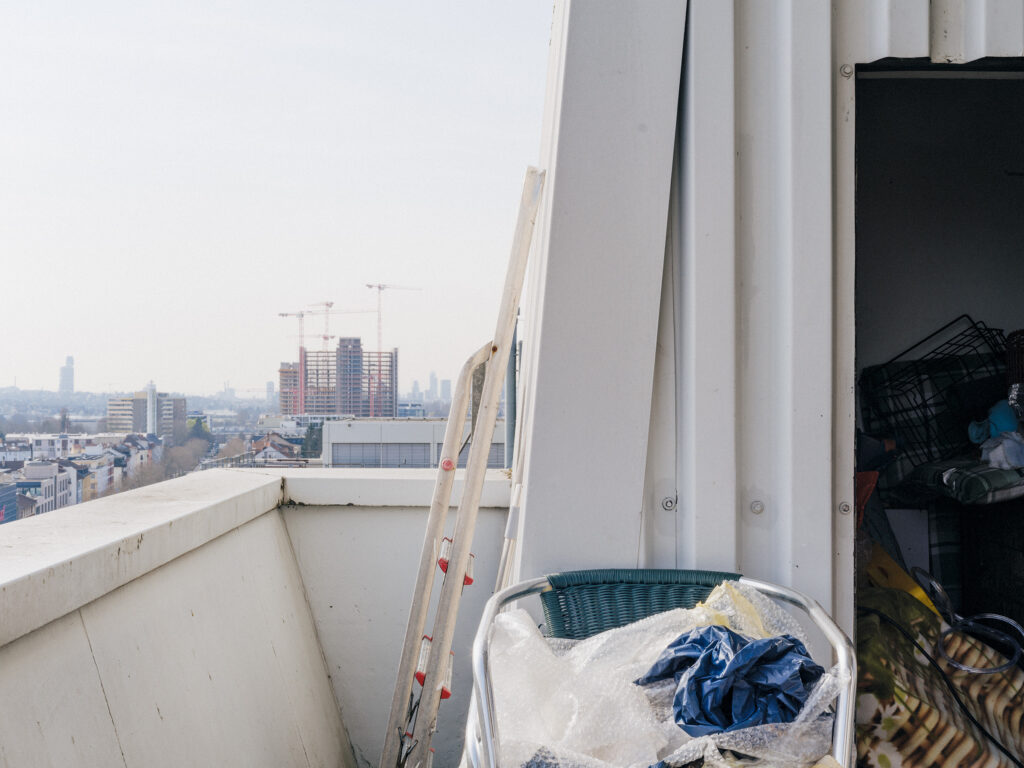
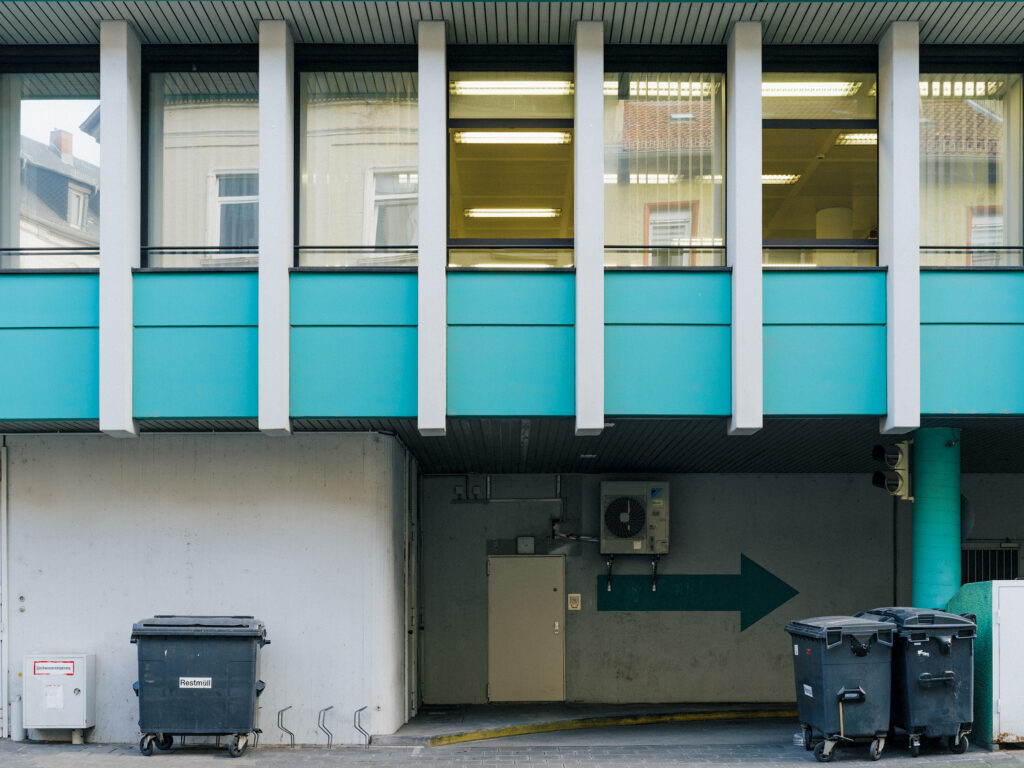
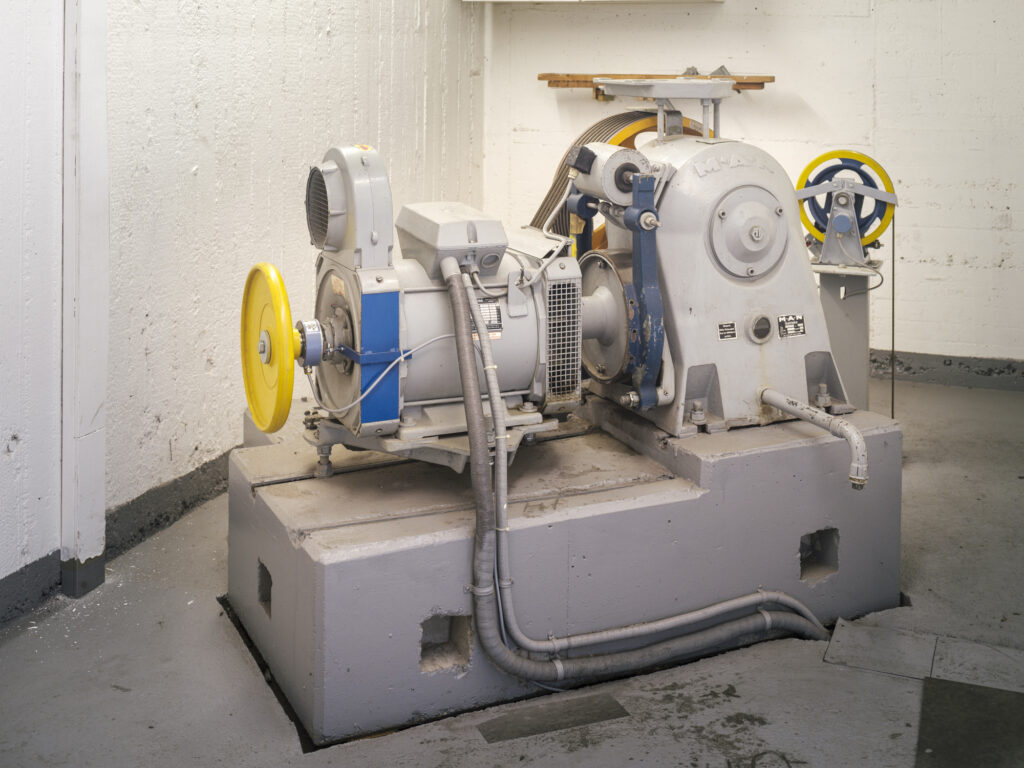
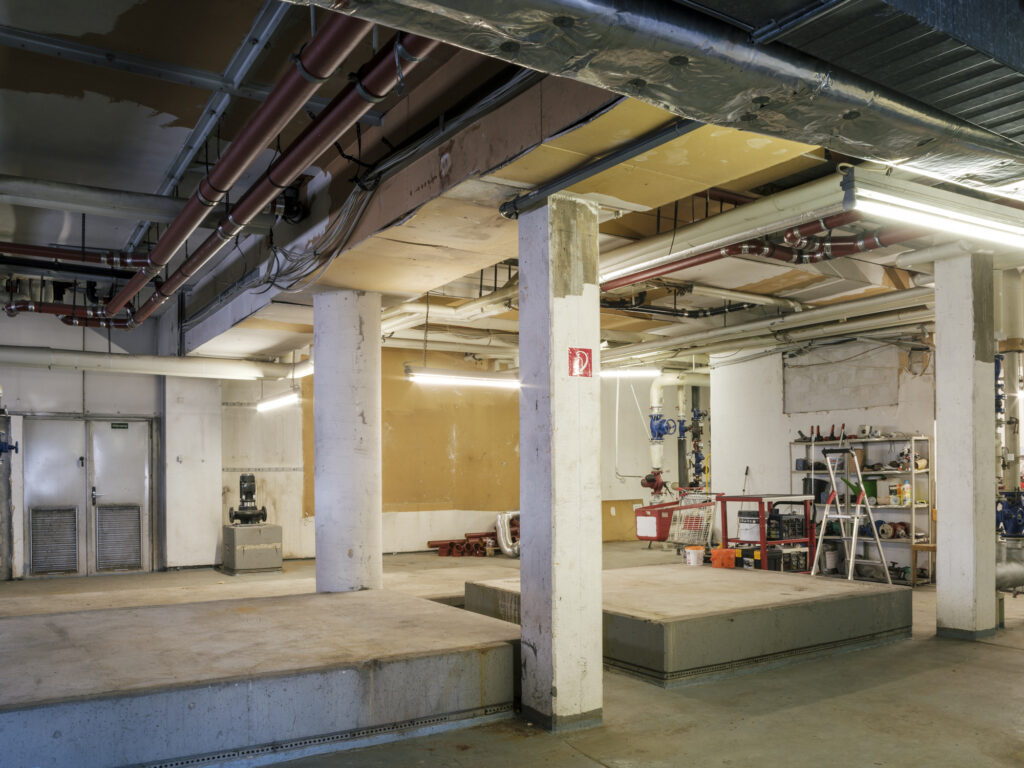
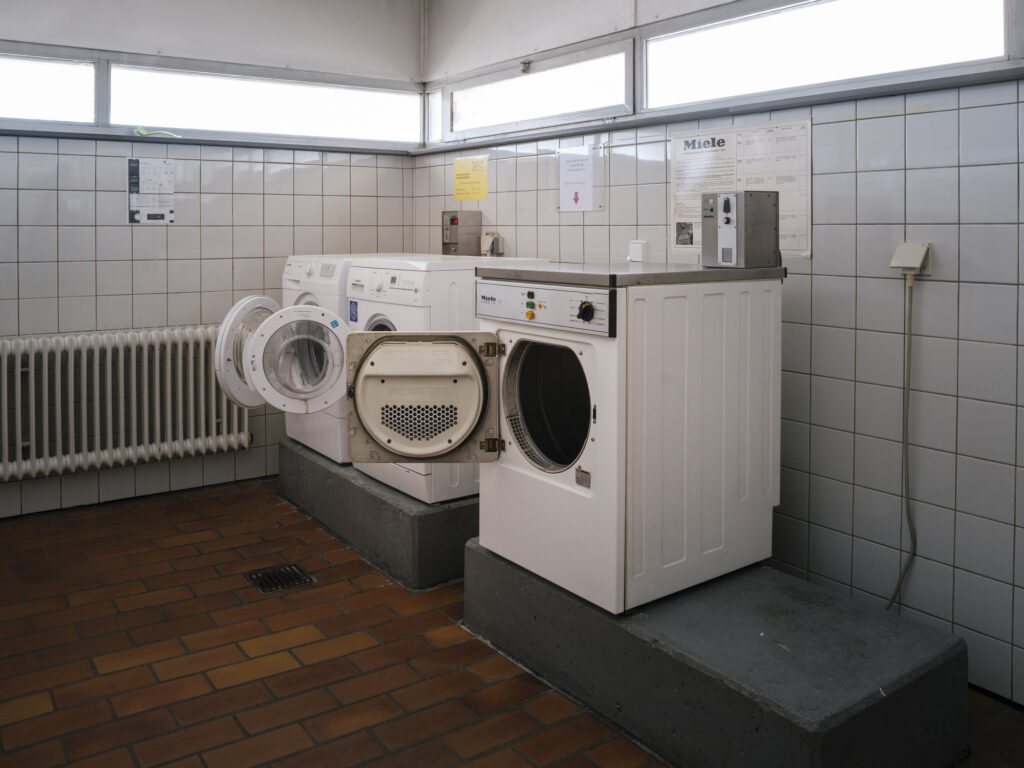
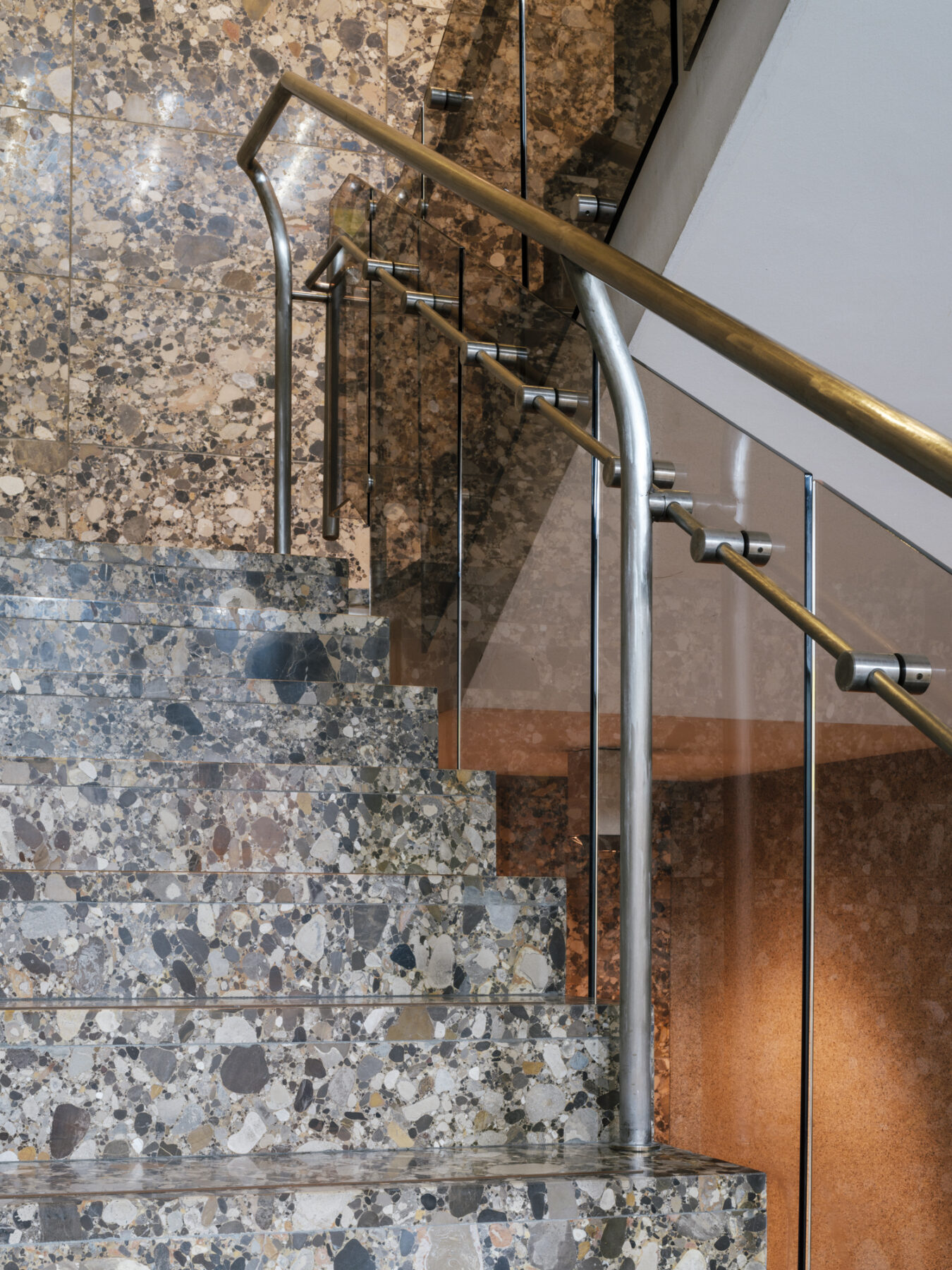
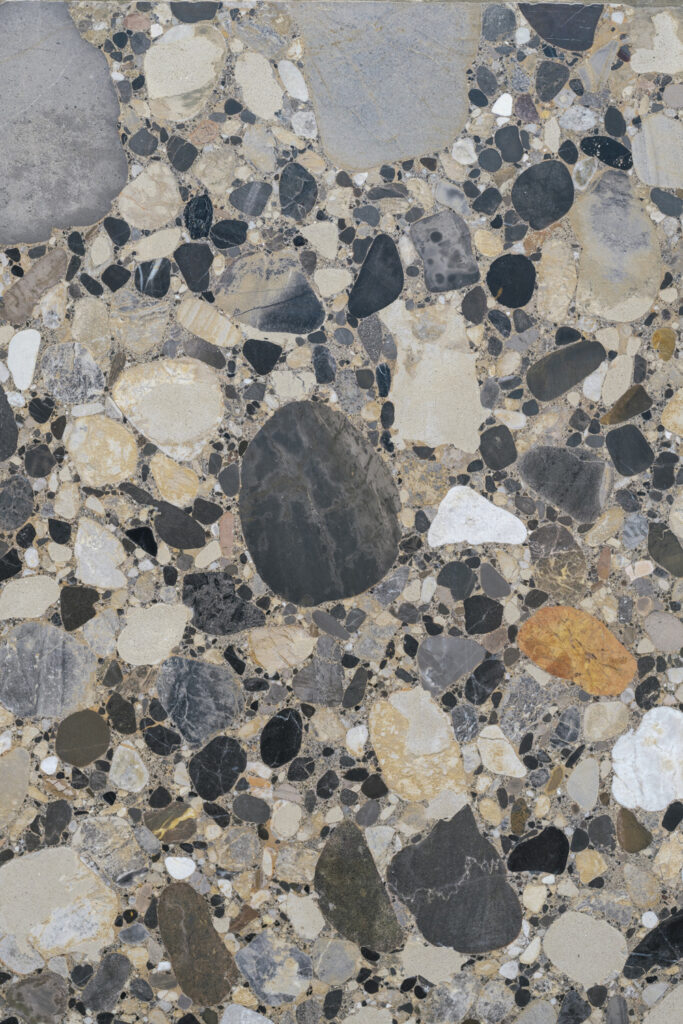
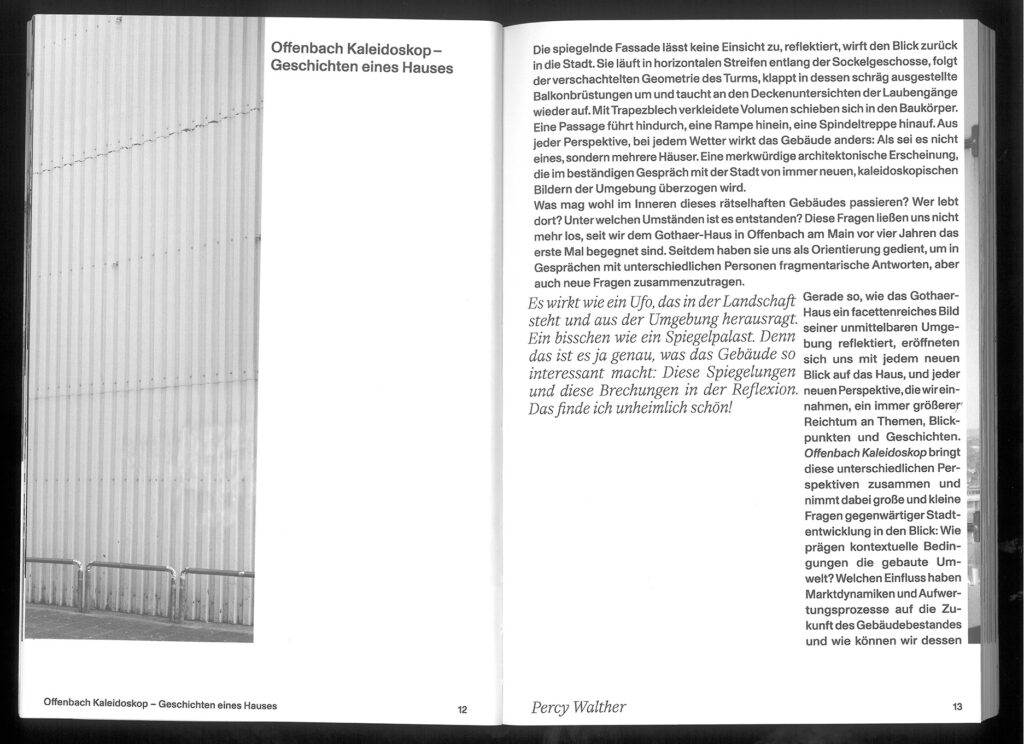
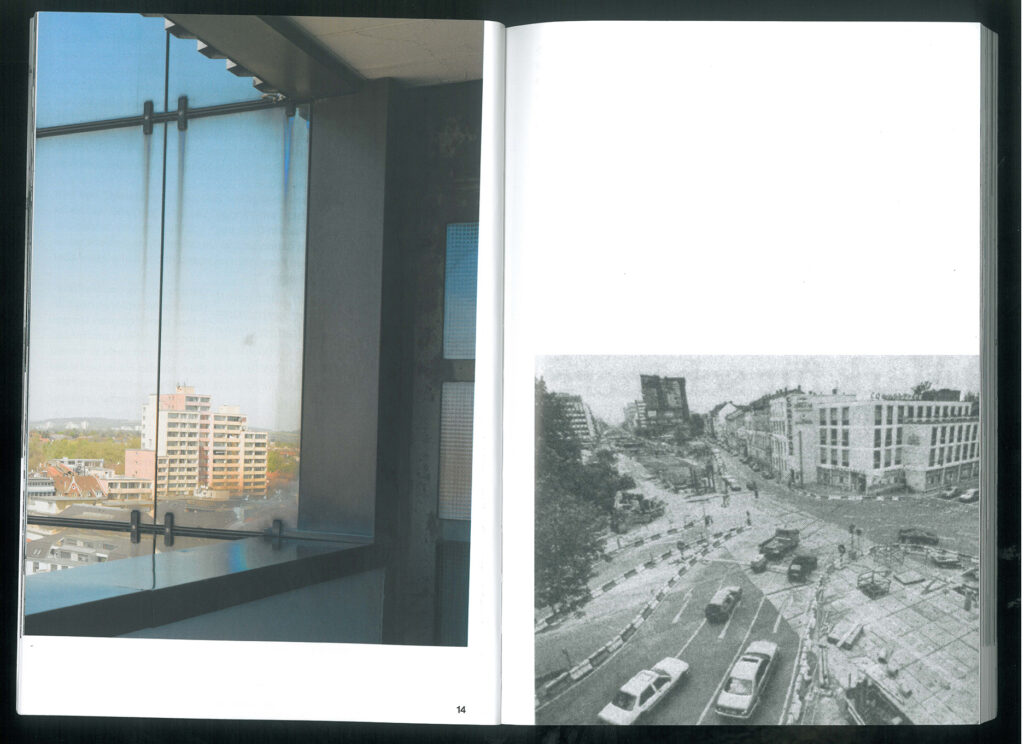
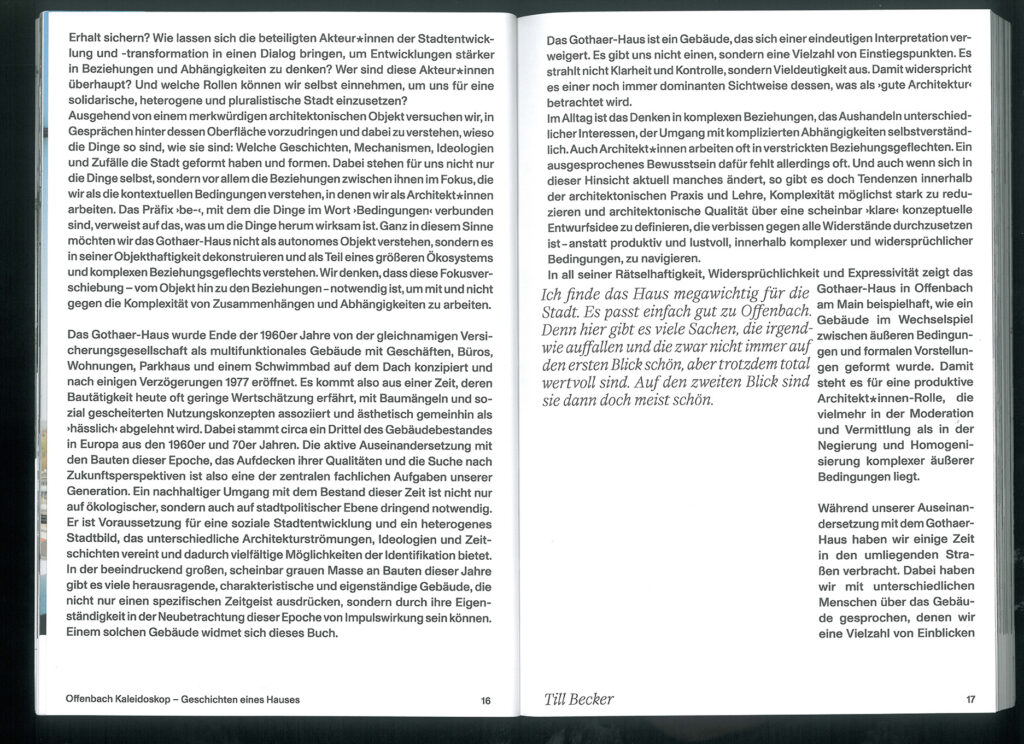
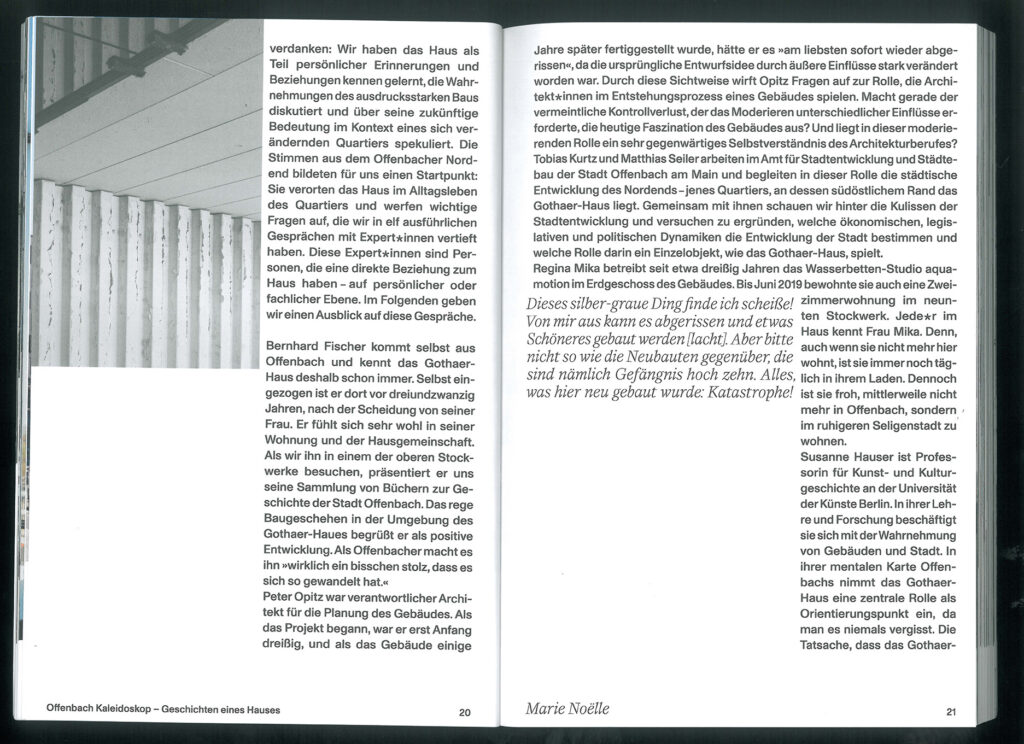
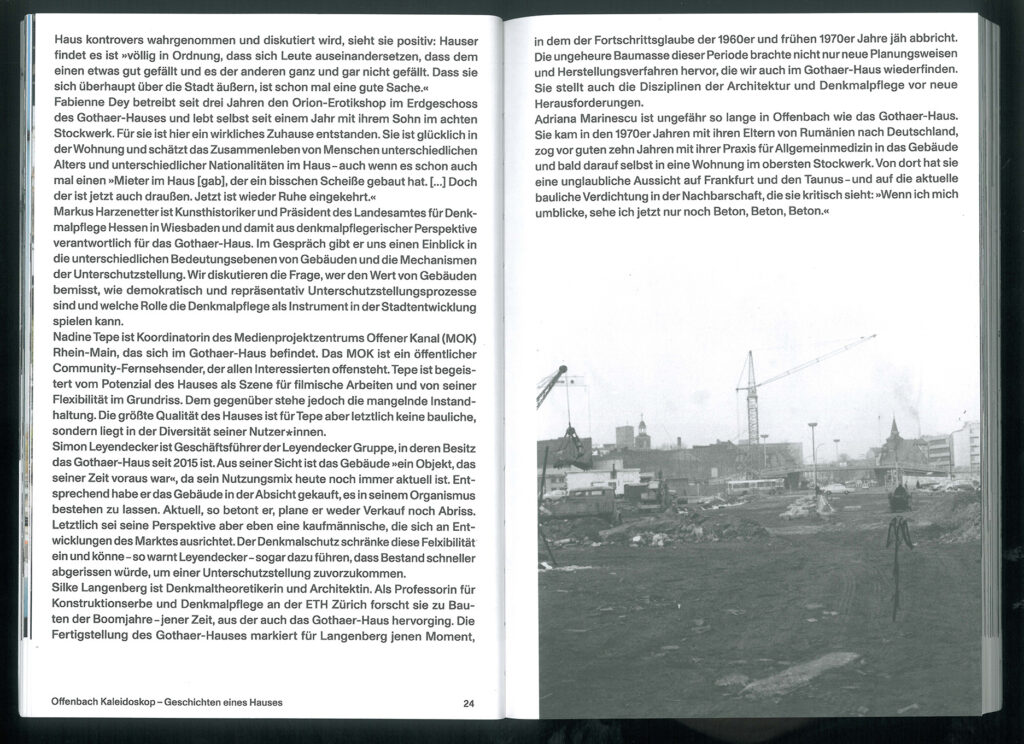
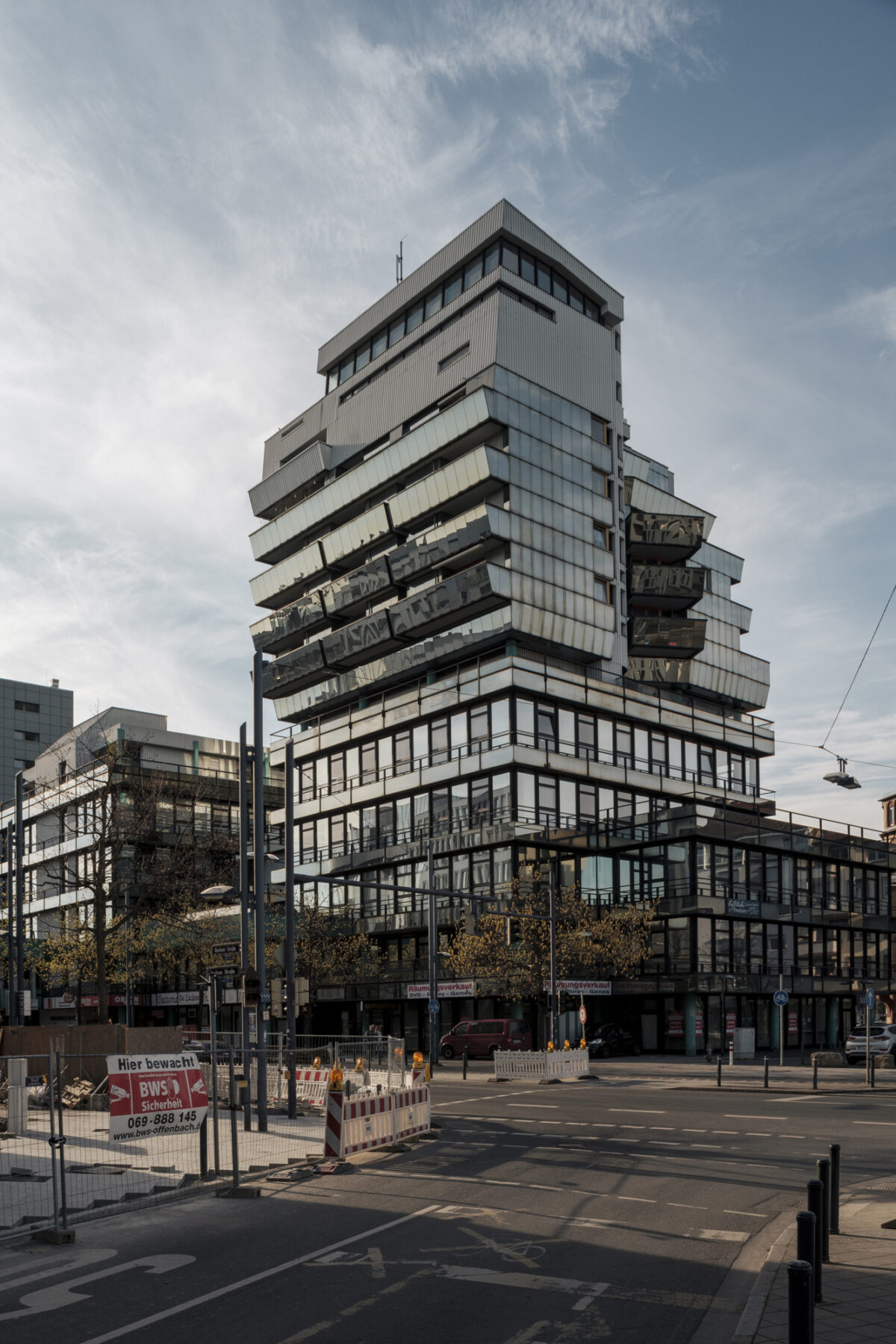
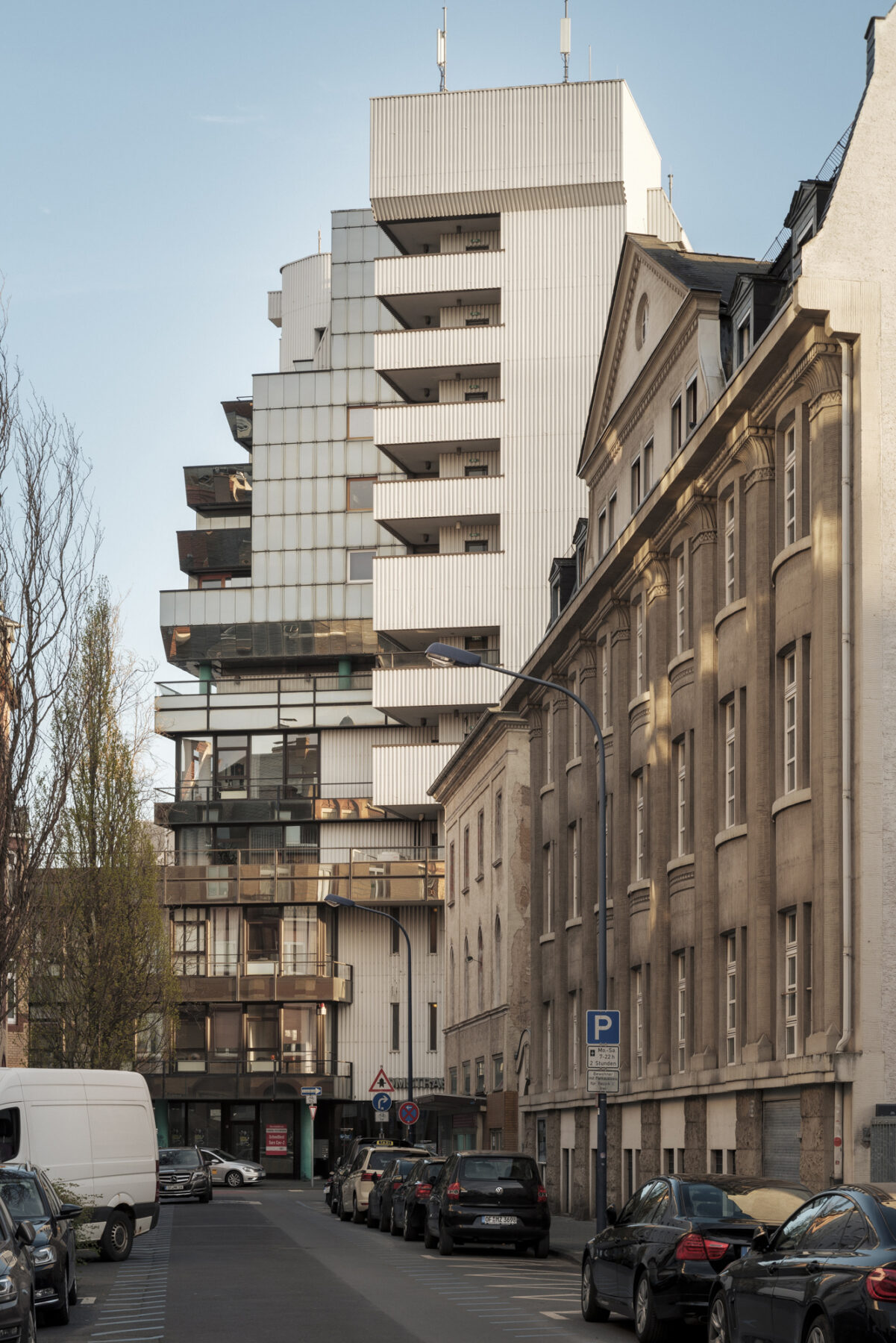
“Offenbach Kaleidoskop” wirft einen neuen Blick auf ein bestehendes Gebäude: das Gothaer-Haus in Offenbach am Main. Das Haus stammt aus einer Epoche, deren Architektur heute oft Geringschätzung erfährt und ästhetisch gemeinhin als ‘hässlich’ abgelehnt wird. Gleichzeitig kommt circa ein Drittel des aktuellen Gebäudebestandes in Europa aus den 1960er und 70er Jahren, was eine aktive Auseinandersetzung mit diesen Bauten unabdingbar macht.
“Offenbach Kaleidoscope” offers a new perspective on an existing building: the Gothaer House in Offenbach am Main. The building originates from an era whose architecture is often dismissed as ‘ugly’ today. However, approximately one-third of Europe’s buildings were constructed in the 1960s and ’70s. This makes it essential to engage actively with these structures.
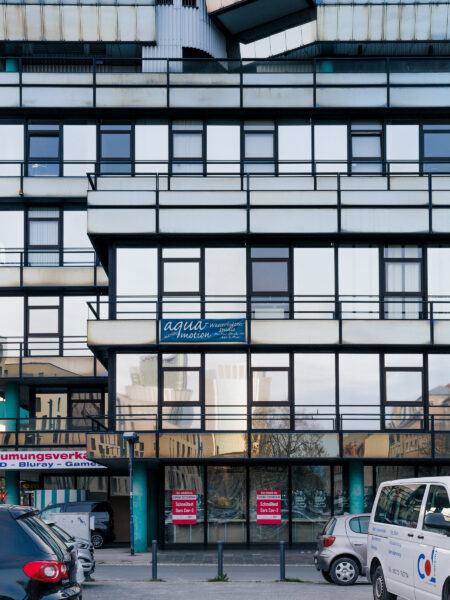
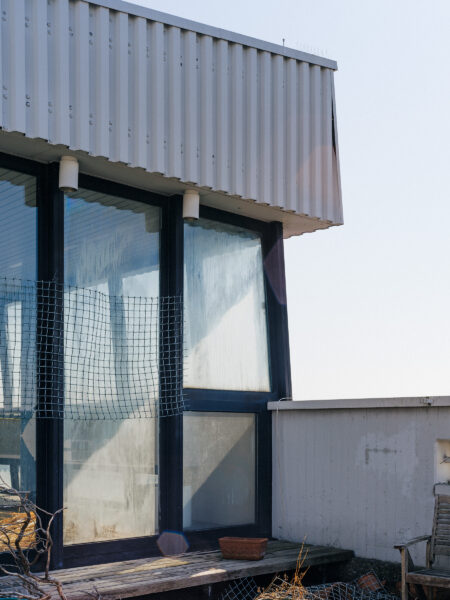
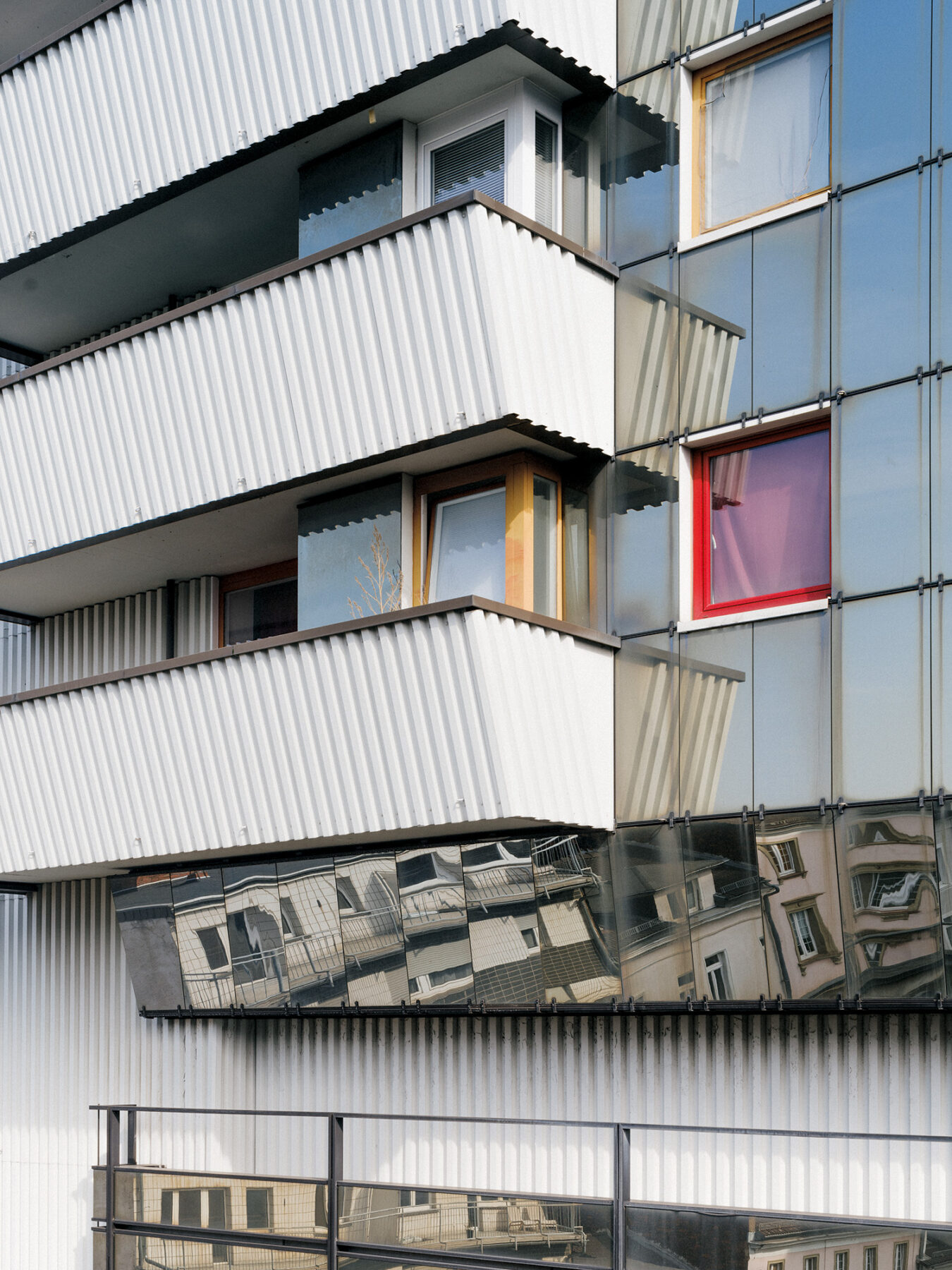
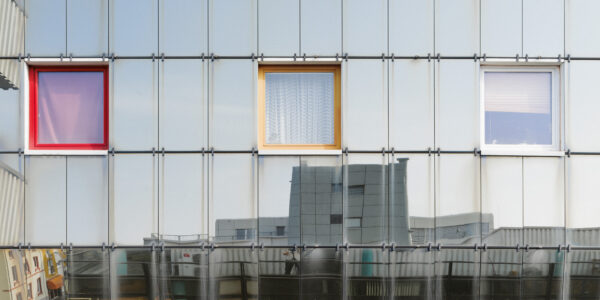
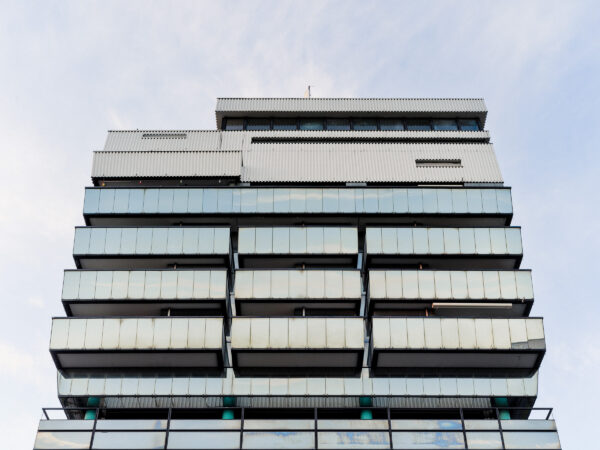
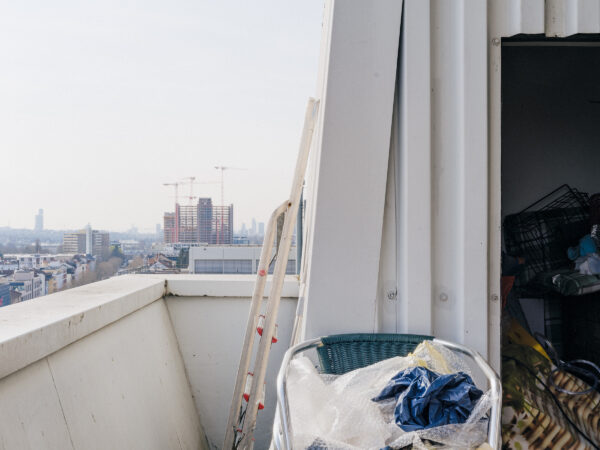
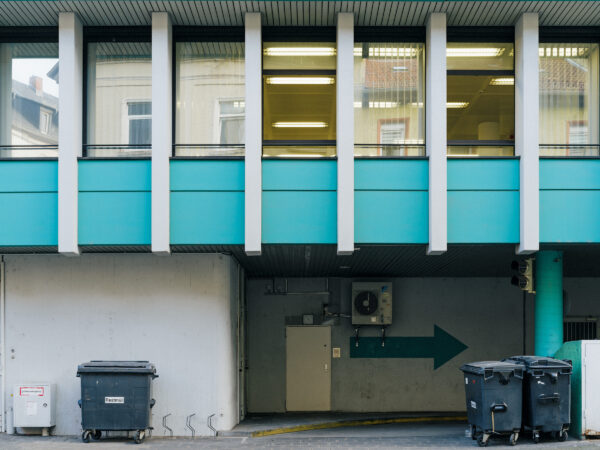
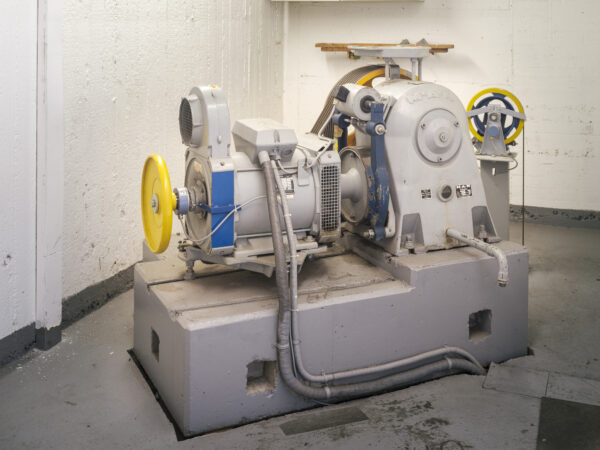
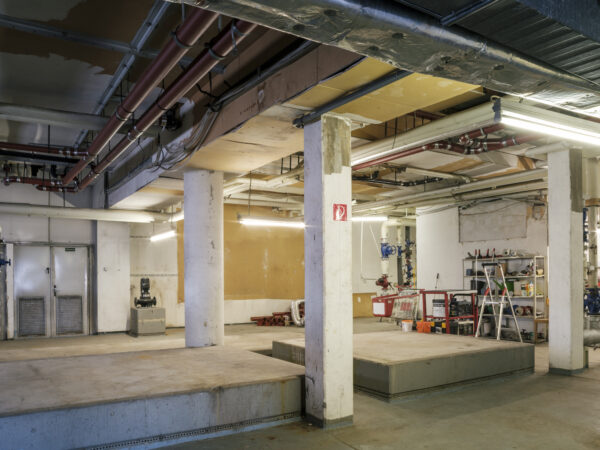
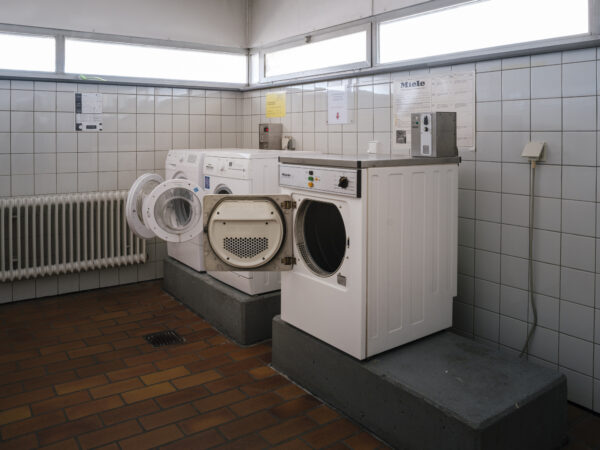
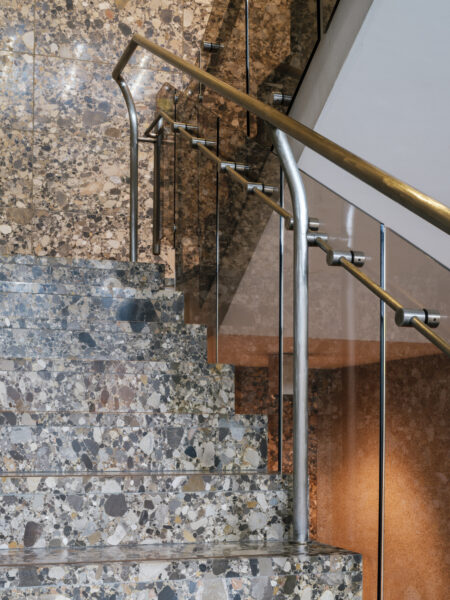
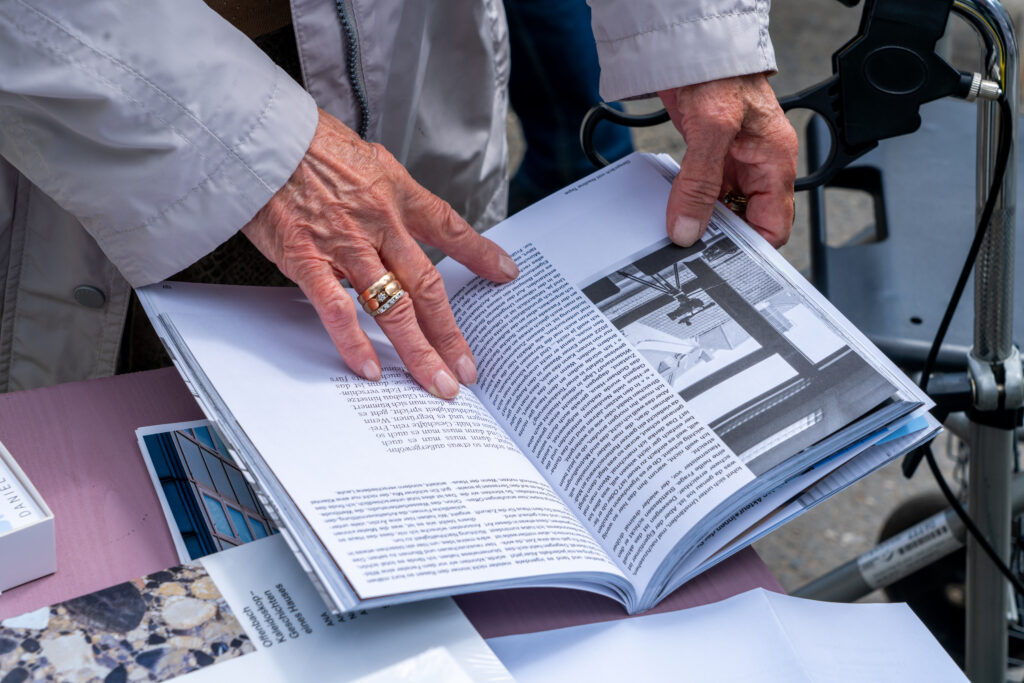
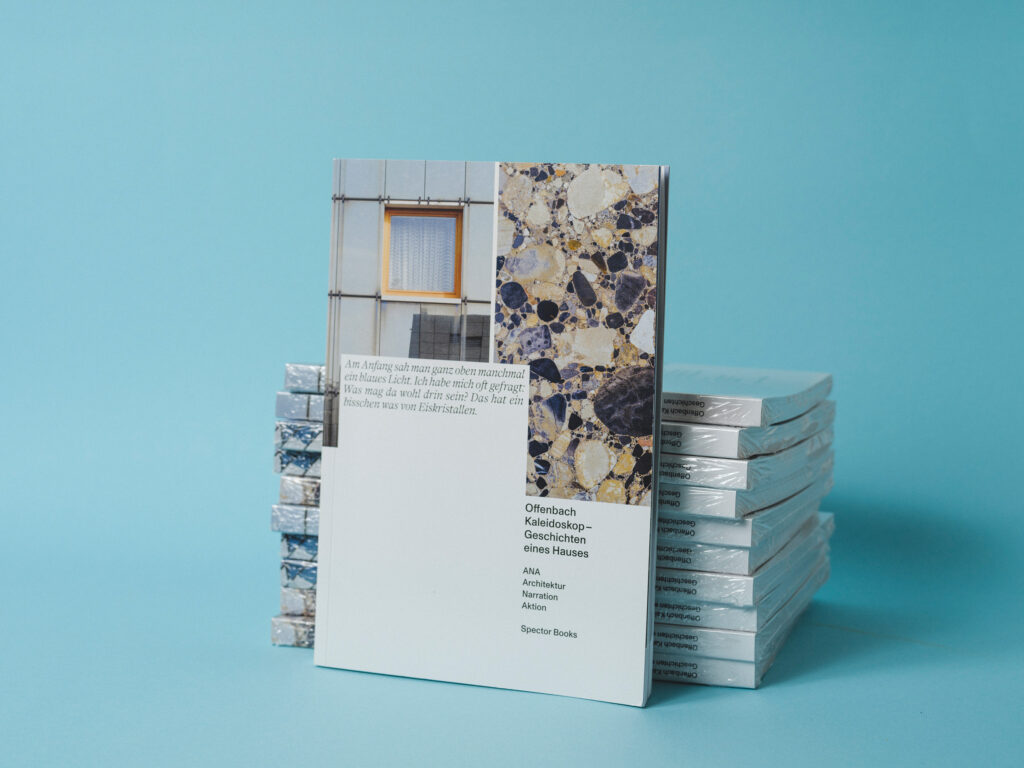
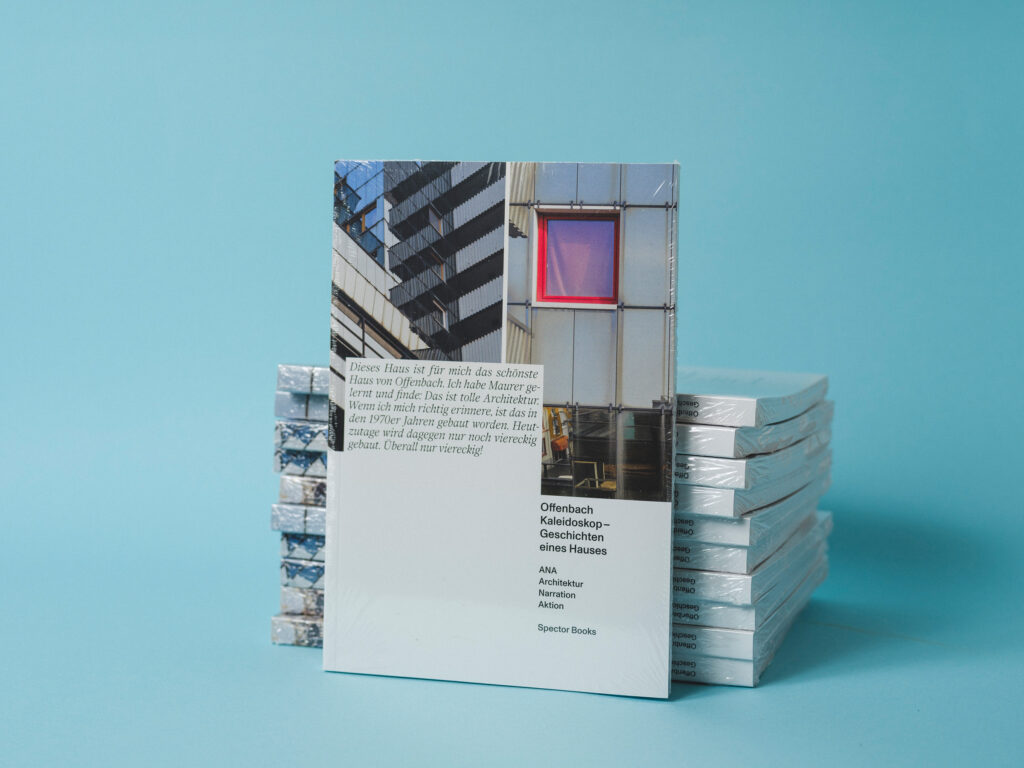
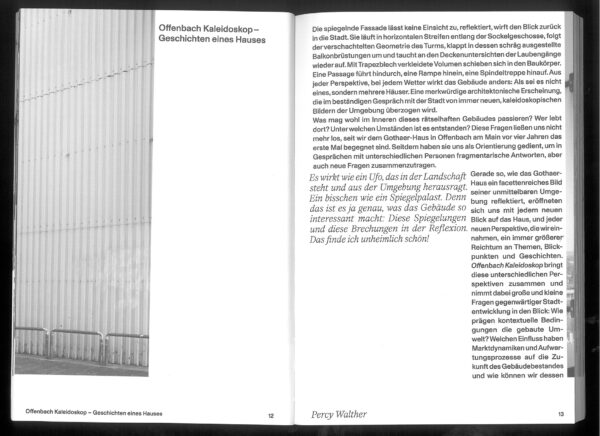
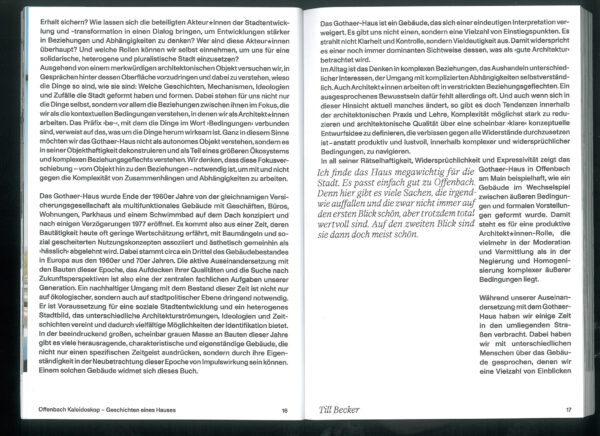
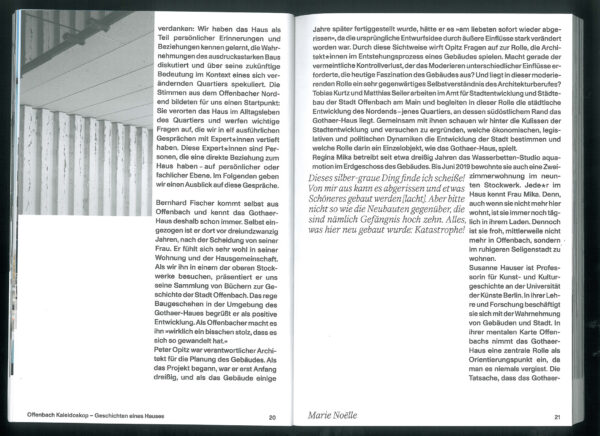
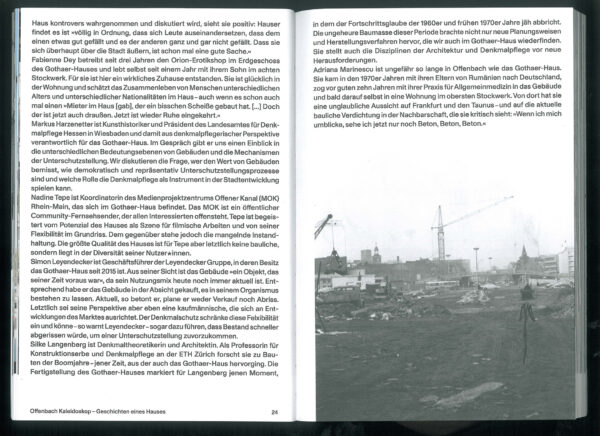
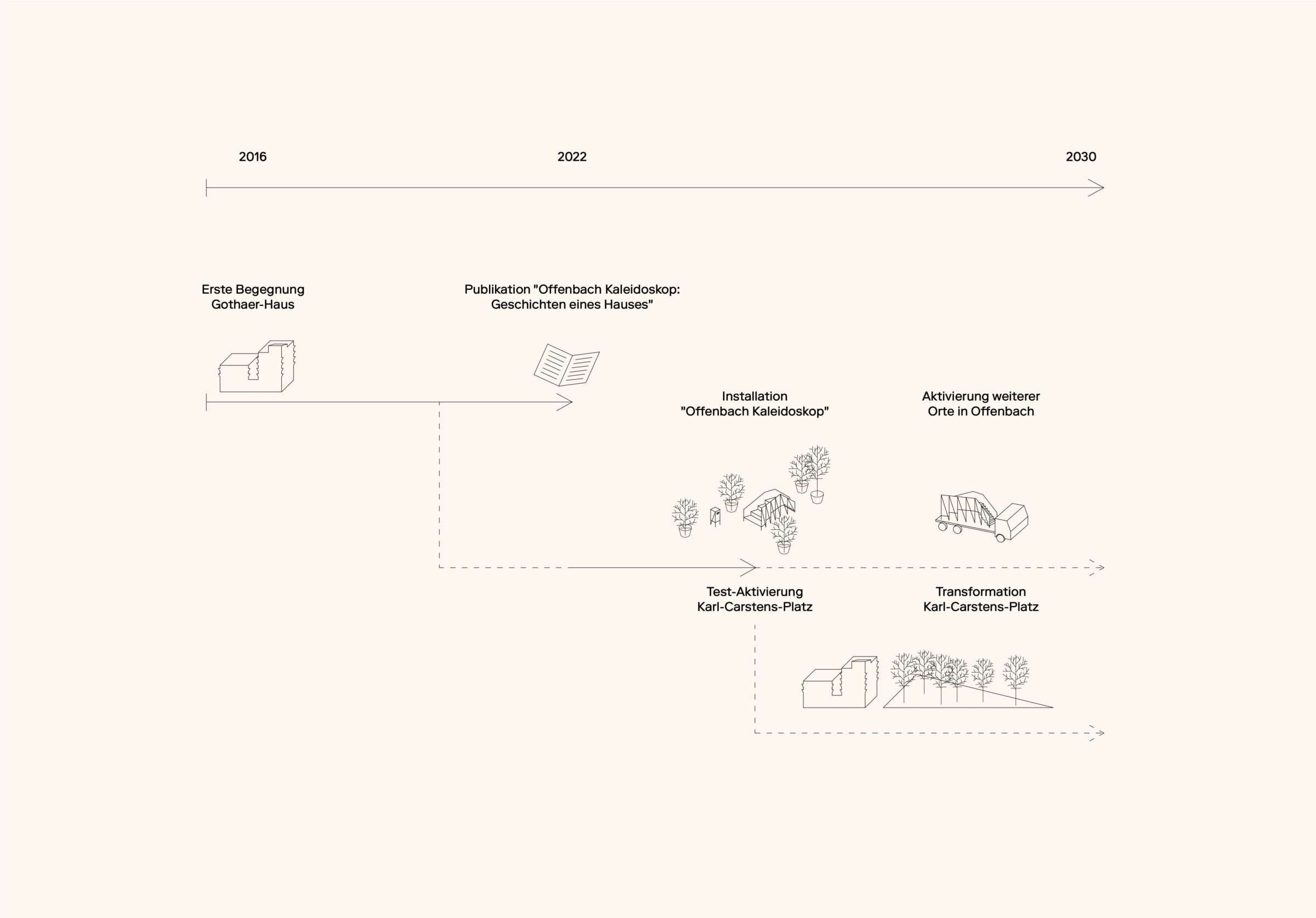
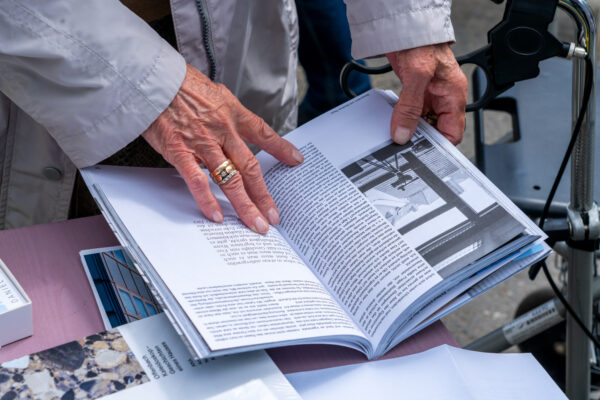
Aus Recherchen zum Haus entstand die Buchveröffentlichung “Offenbach Kaleidoskop – Geschichten eines Hauses” (Spector Books, 2022). Das Gothaer-Haus wird hier zum Ausgangspunkt von Gesprächen, in denen persönliche und fachliche Beziehungen zum Haus hinter seine spiegelnde Oberfläche führen, um das Gebäude als Bestandteil eines komplexen Beziehungsnetzes zu dekonstruieren. Dies ist der Versuch, nicht nur die Betrachtungsweise eines besonderen Einzelobjekts erweitern, sondern zugleich den Blick neu auszurichten, um den Wert von Gebäuden im Beziehungsgeflecht ihrer Geschichten sichtbar zu machen.
Research on the Gothaer House resulted in the publication “Offenbach Kaleidoscope: Stories of a House” (Spector Books, 2022). The book uses the building as a starting point for conversations that reveal personal and professional connections to it. These connections extend beyond the building’s reflective surface. The book deconstructs the house as part of a complex web of relationships. The goal is to broaden our perspective on a specific building and demonstrate the value of buildings within the context of their stories.
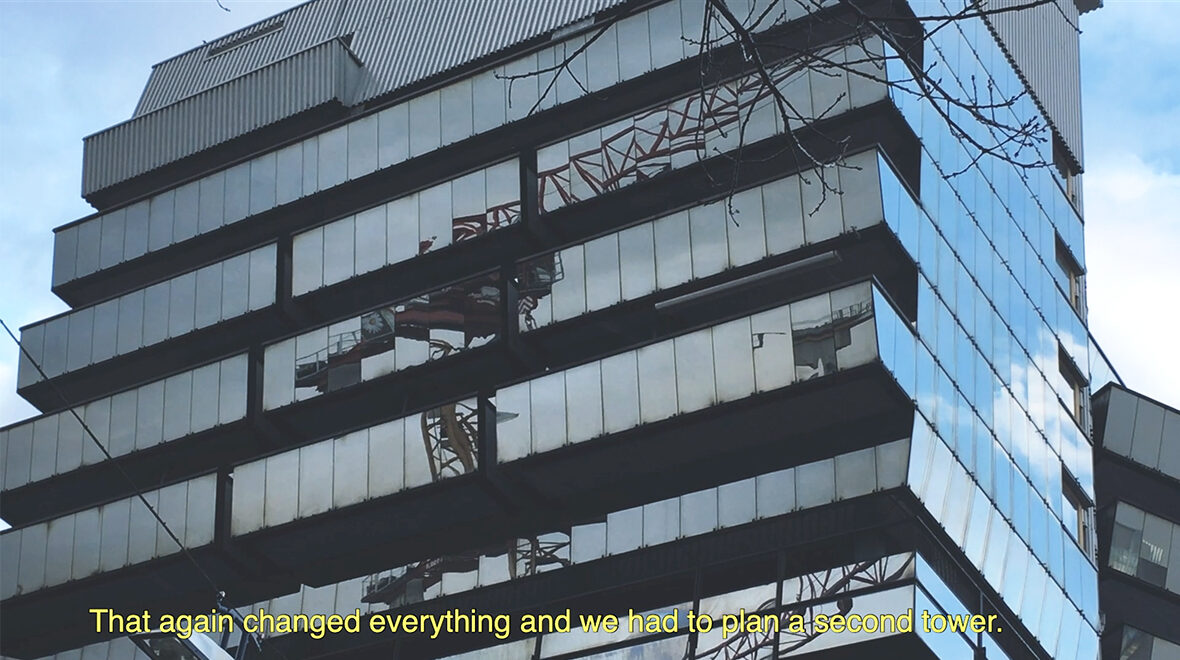
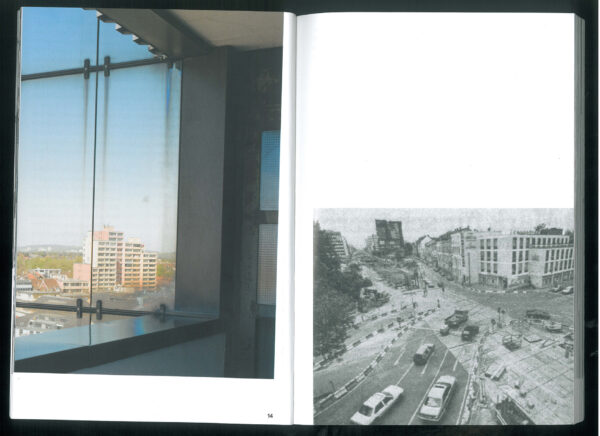
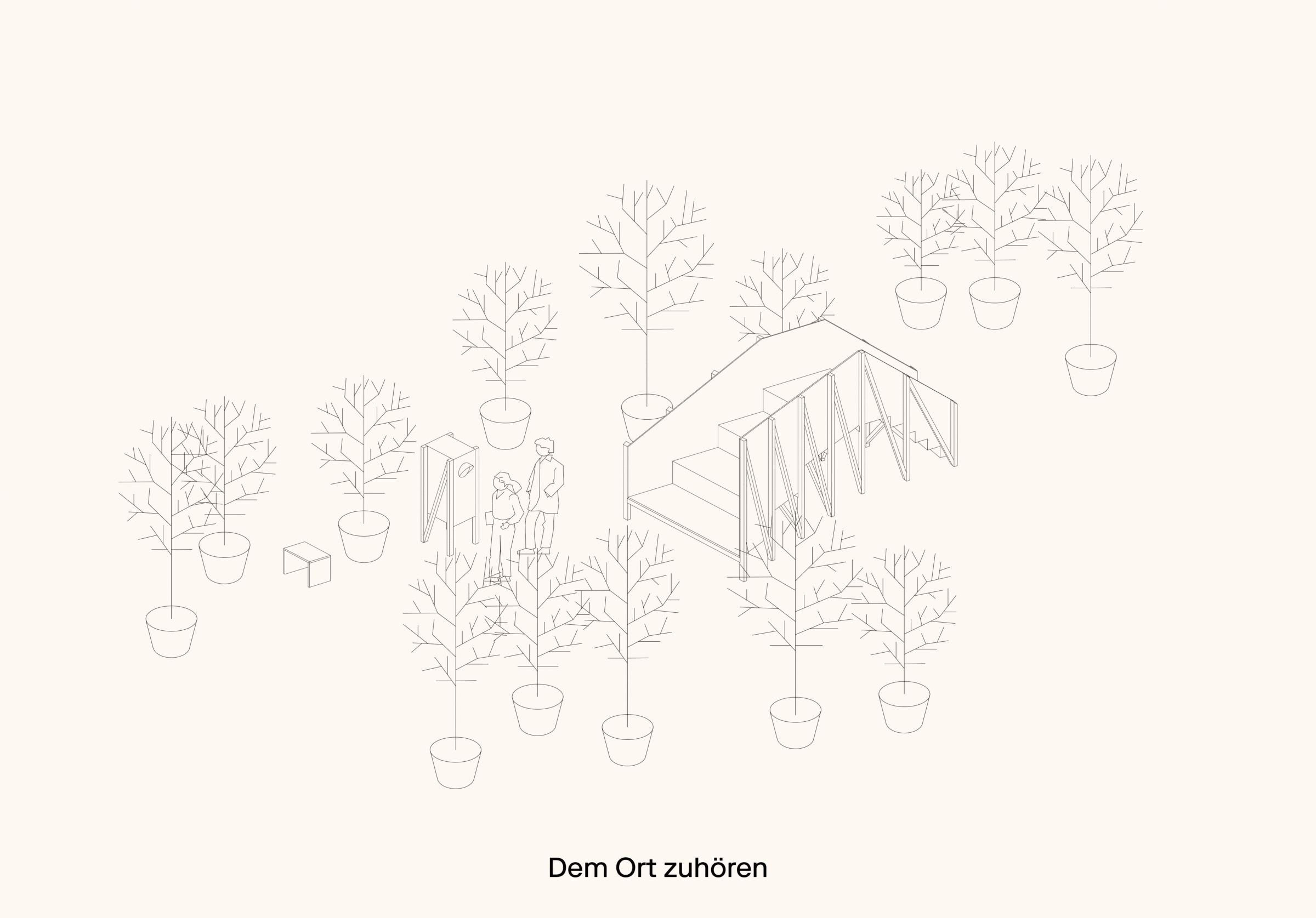
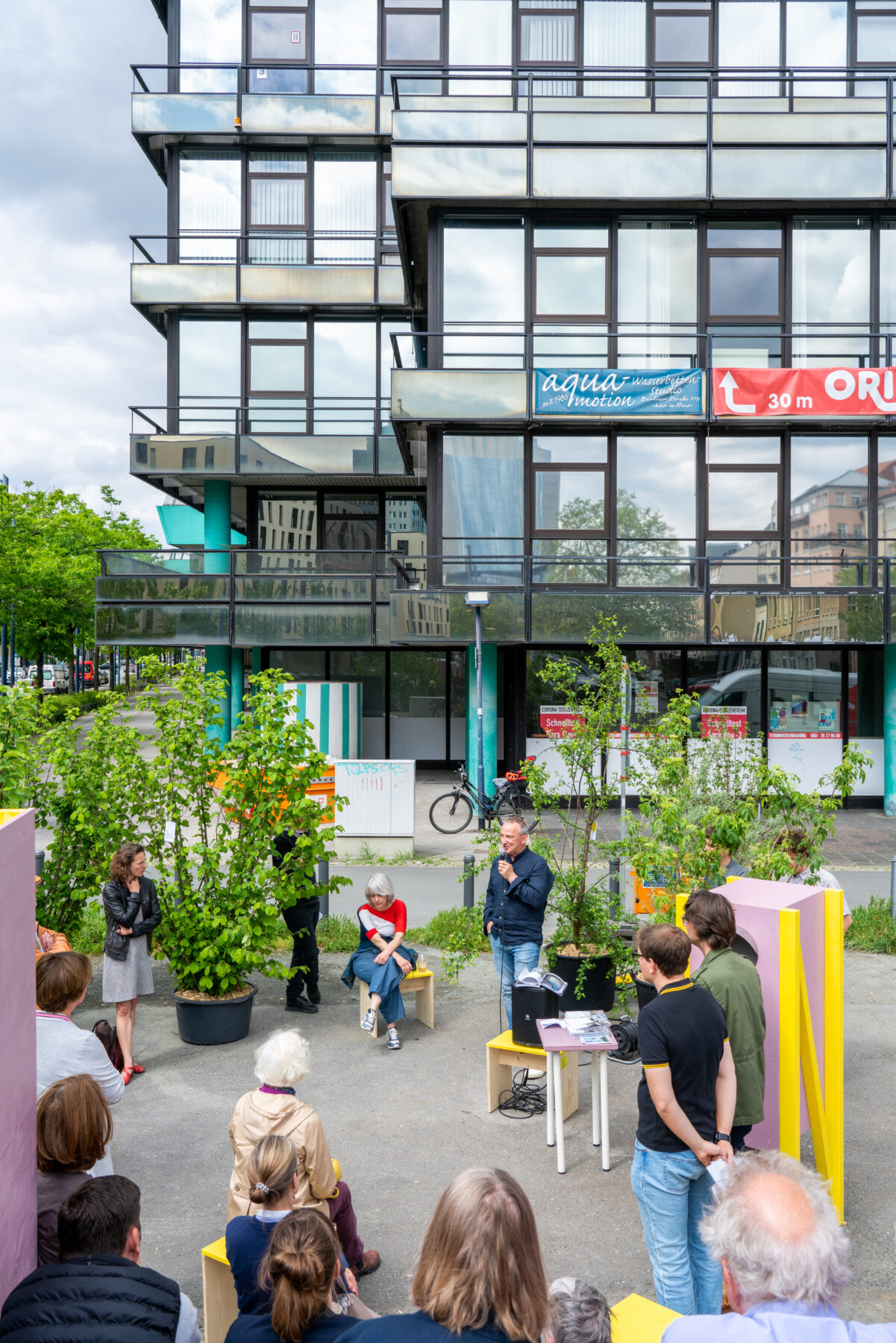
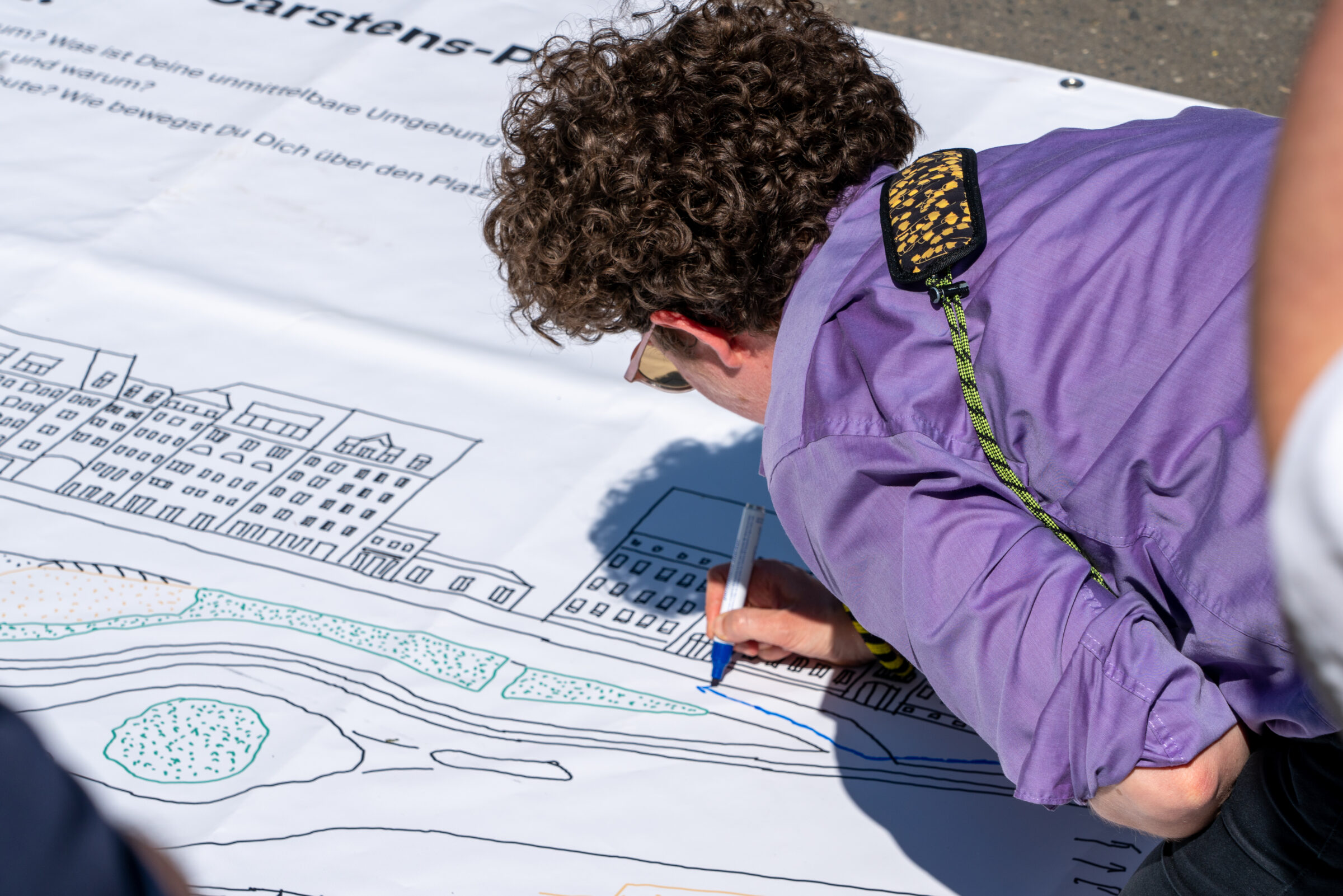
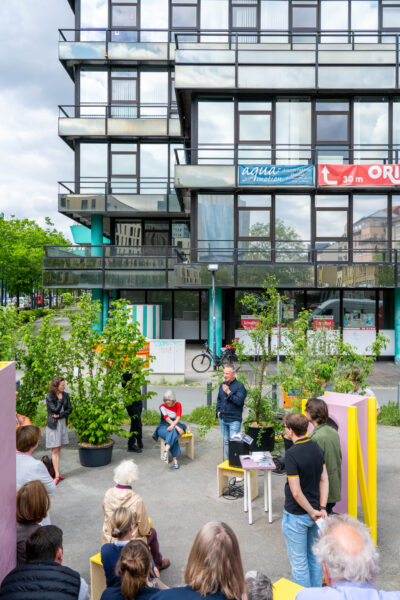
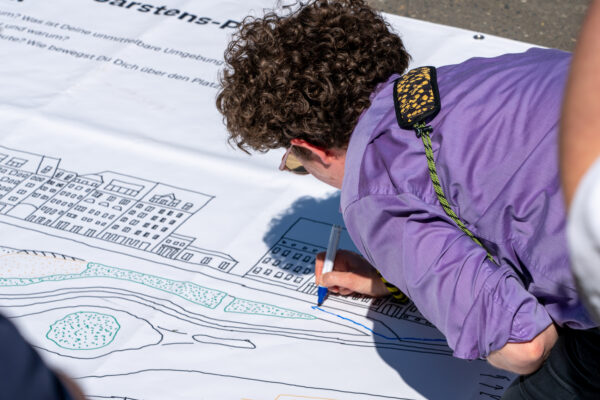
Eine Installation vor Ort begleitete das Buch und verfolgte mehrere Ziele zugleich: Die Recherche wurde niederschwellig vermittelt und der Diskurs über die Zukunft des Gebäudes lokal geführt und verankert. Gleichzeitig entstand in Kollaboration mit dem Stadtplanungsamt Offenbach eine temporäre Transformation des Parkplatzes vor dem Gebäude in einen verkehrsberuhigten öffentlichen Raum.
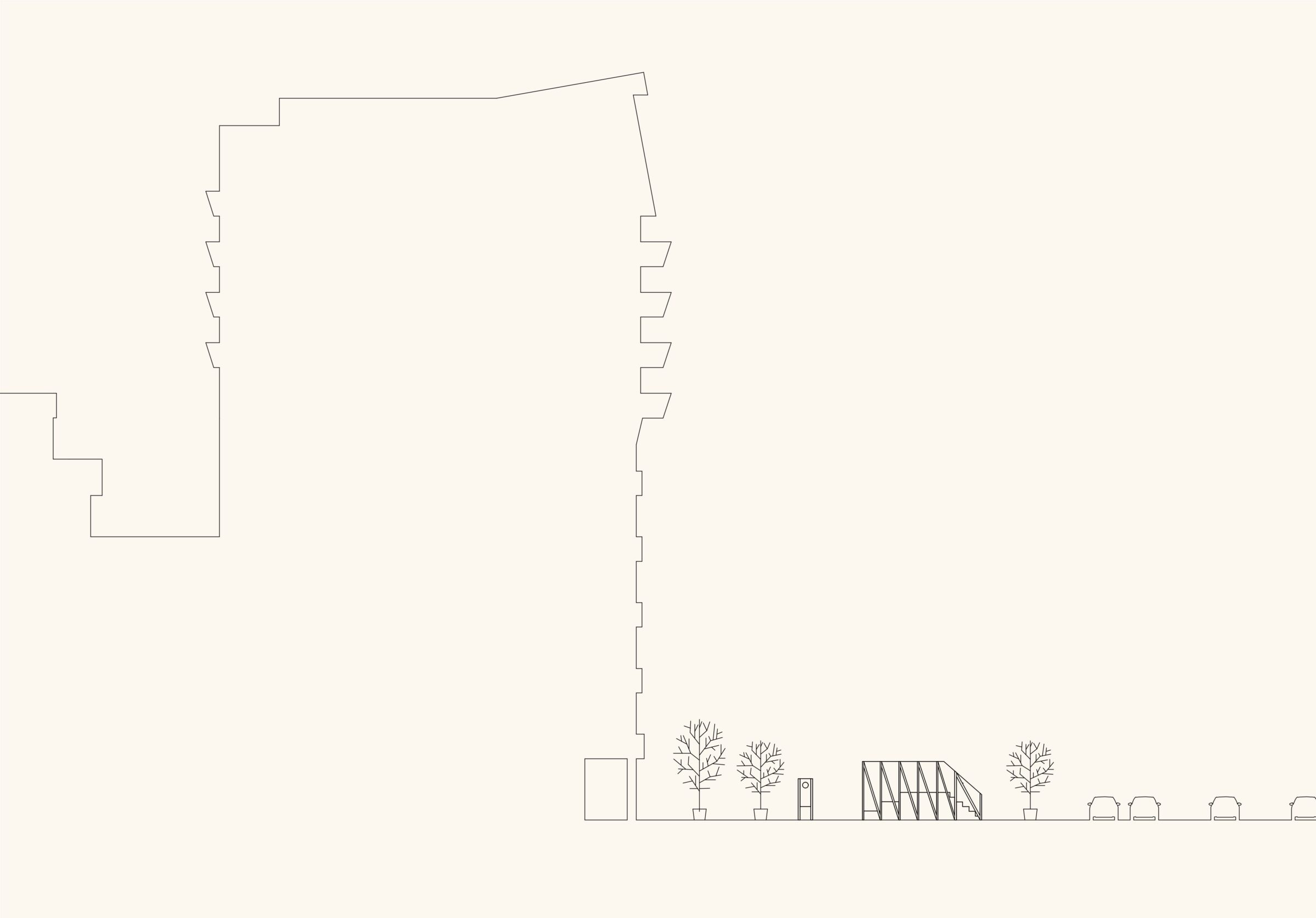
Diese Intervention stand im Kontext aktueller Veränderungen in der unmittelbaren Umgebung des Gothaer-Hauses: Neubauten entstehen, und der heutige Parkplat – der Karl-Carstens-Platz – soll künftig in einen öffentlichen, autofreien Raum überführt werden. In Zusammenarbeit mit dem Amt für Planen und Bauen der Stadt Offenbach wurden dafür während der Sommermonate 2023 sechs Parkplätze temporär gesperrt und als öffentlicher Raum erprobt – als ein Testfeld, um für die zukünftige Transformation des Ortes zu lernen.
An on-site installation accompanied the book and served several purposes. It made the research accessible to a broad audience and ensured that the discourse on the building’s future remained local. In collaboration with the Offenbach City Planning Office, the parking lot in front of the building was temporarily transformed into a traffic-free public space.
This intervention occurred against the backdrop of the Gothaer-Haus neighborhood’s ongoing transformation: New buildings are being constructed, and the current parking lot, Karl-Carstens-Platz, is set to become a car-free public space. In collaboration with the Office of Planning and Construction of the City of Offenbach, six parking spaces were temporarily closed off during the summer months of 2023 and tested as a public space. This served as a pilot project to gather insights for the future transformation of the site.
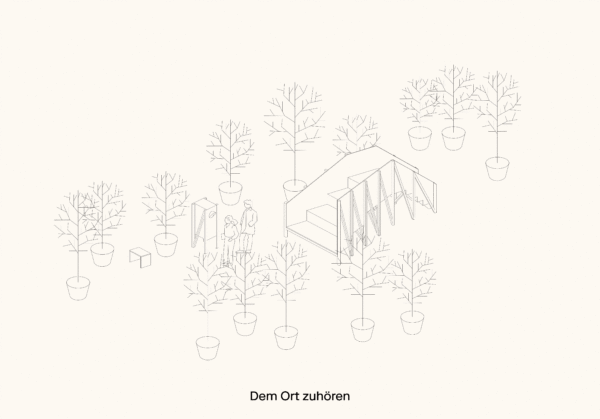
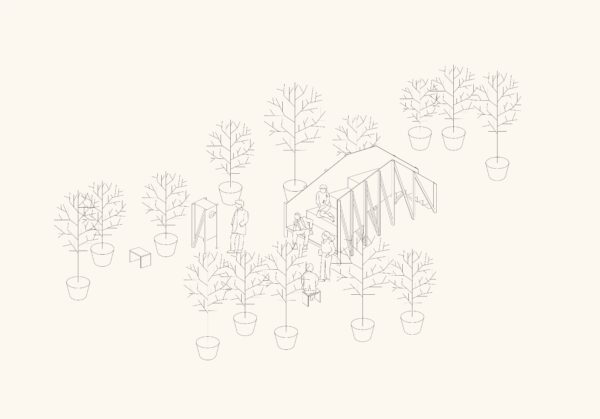
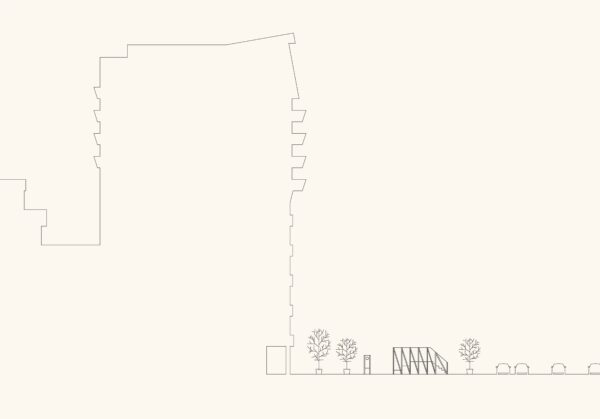
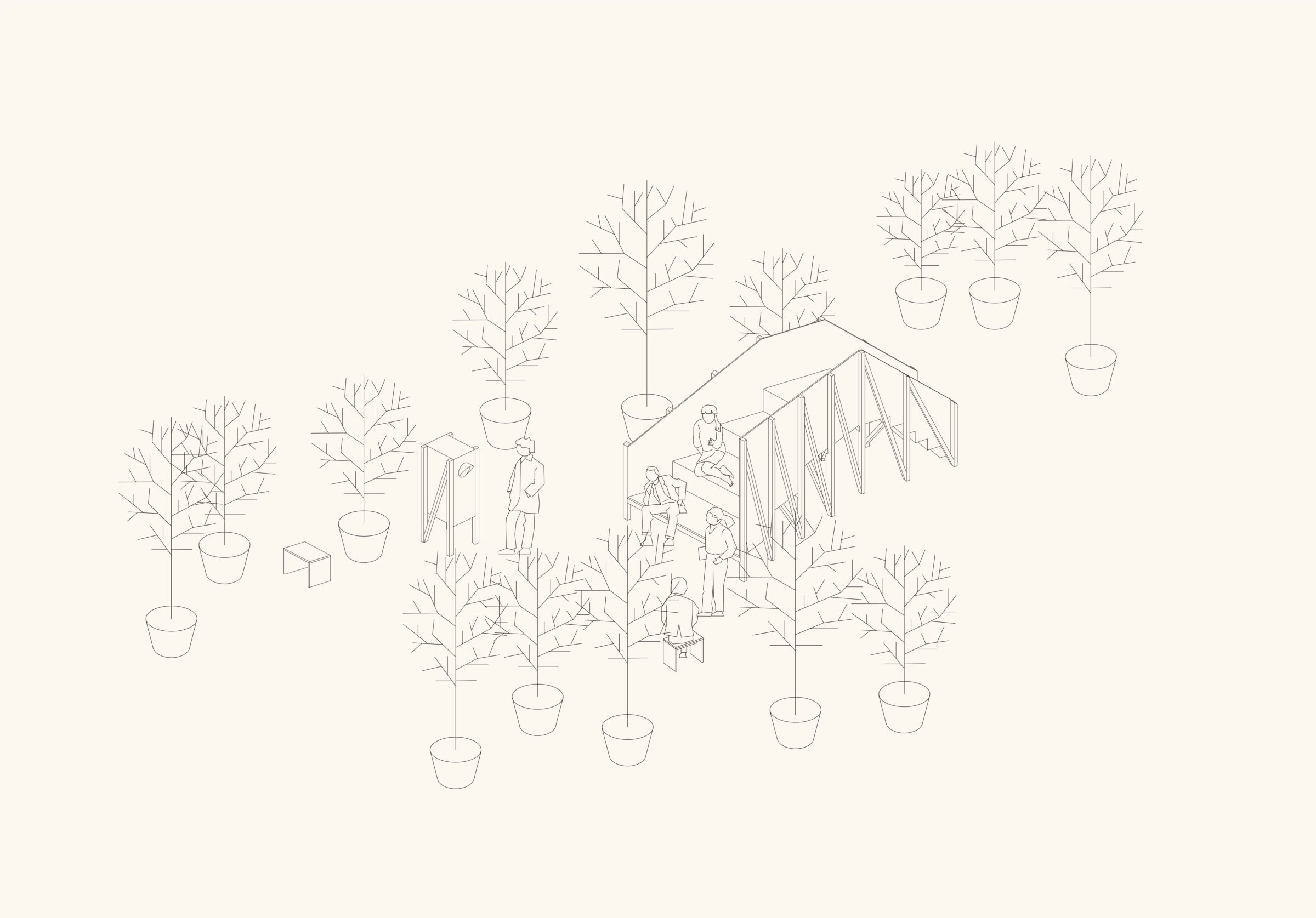
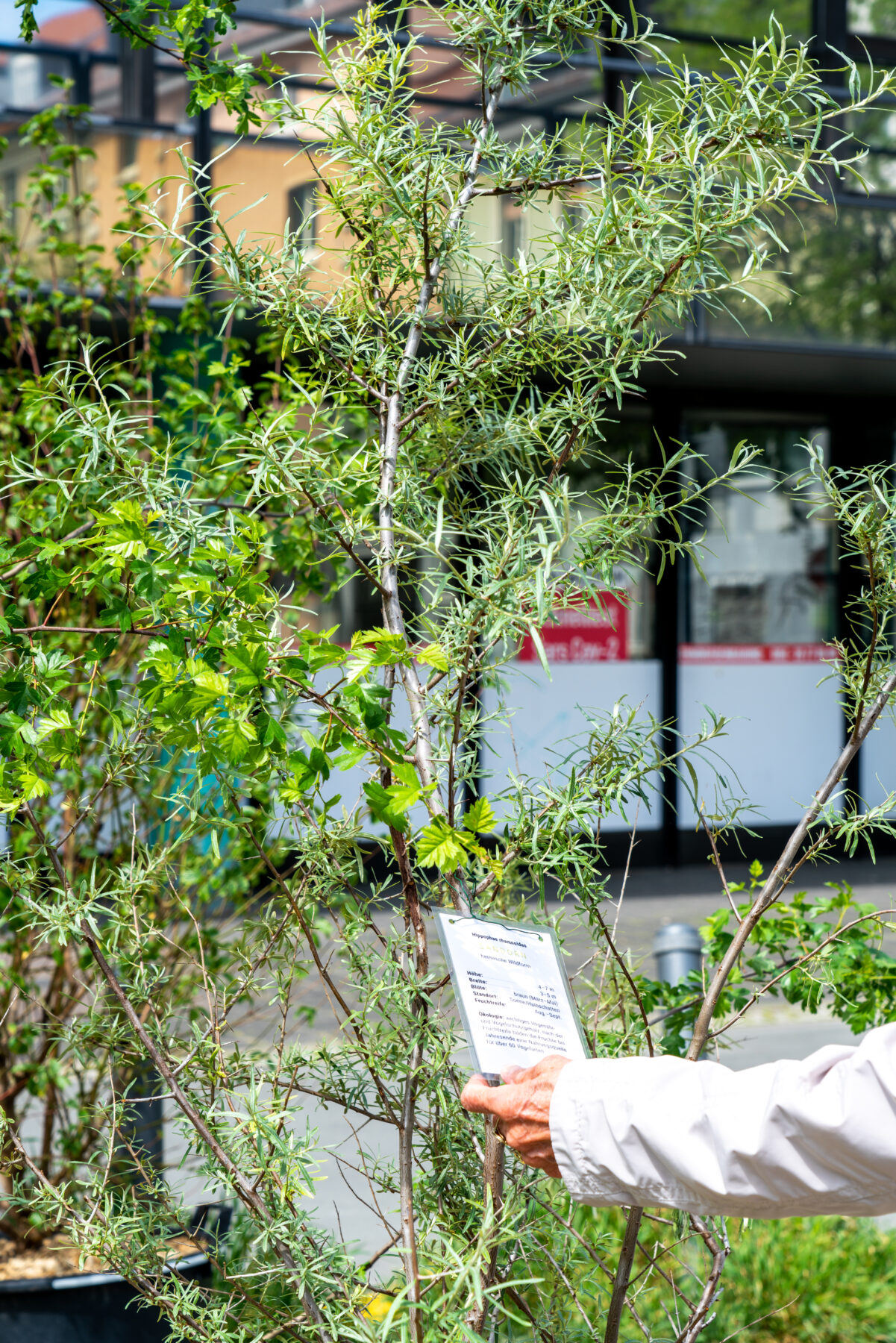
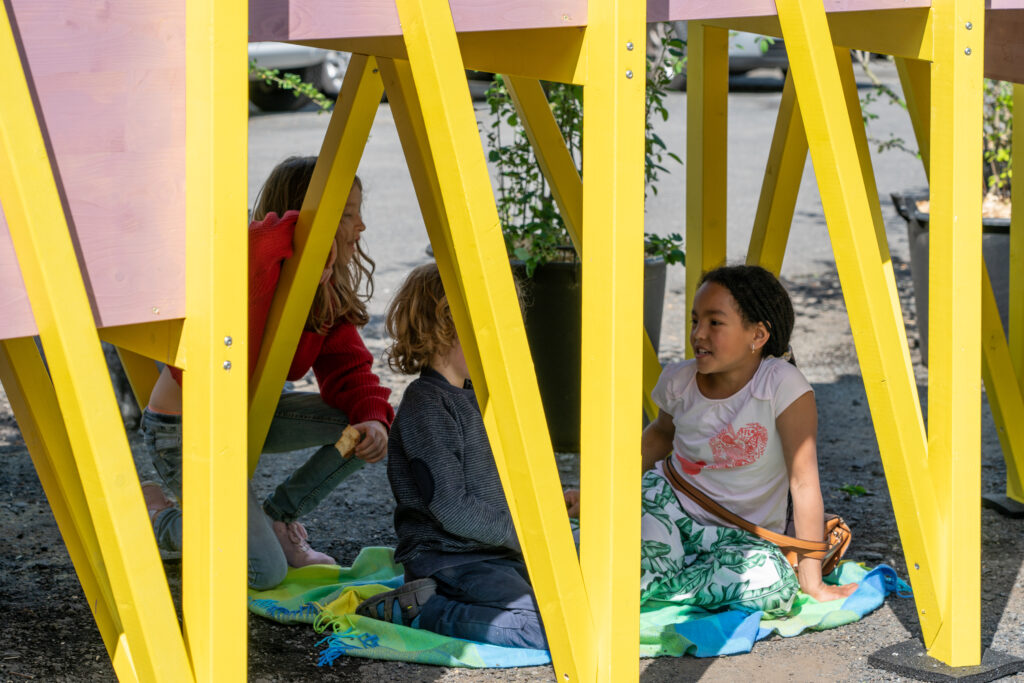
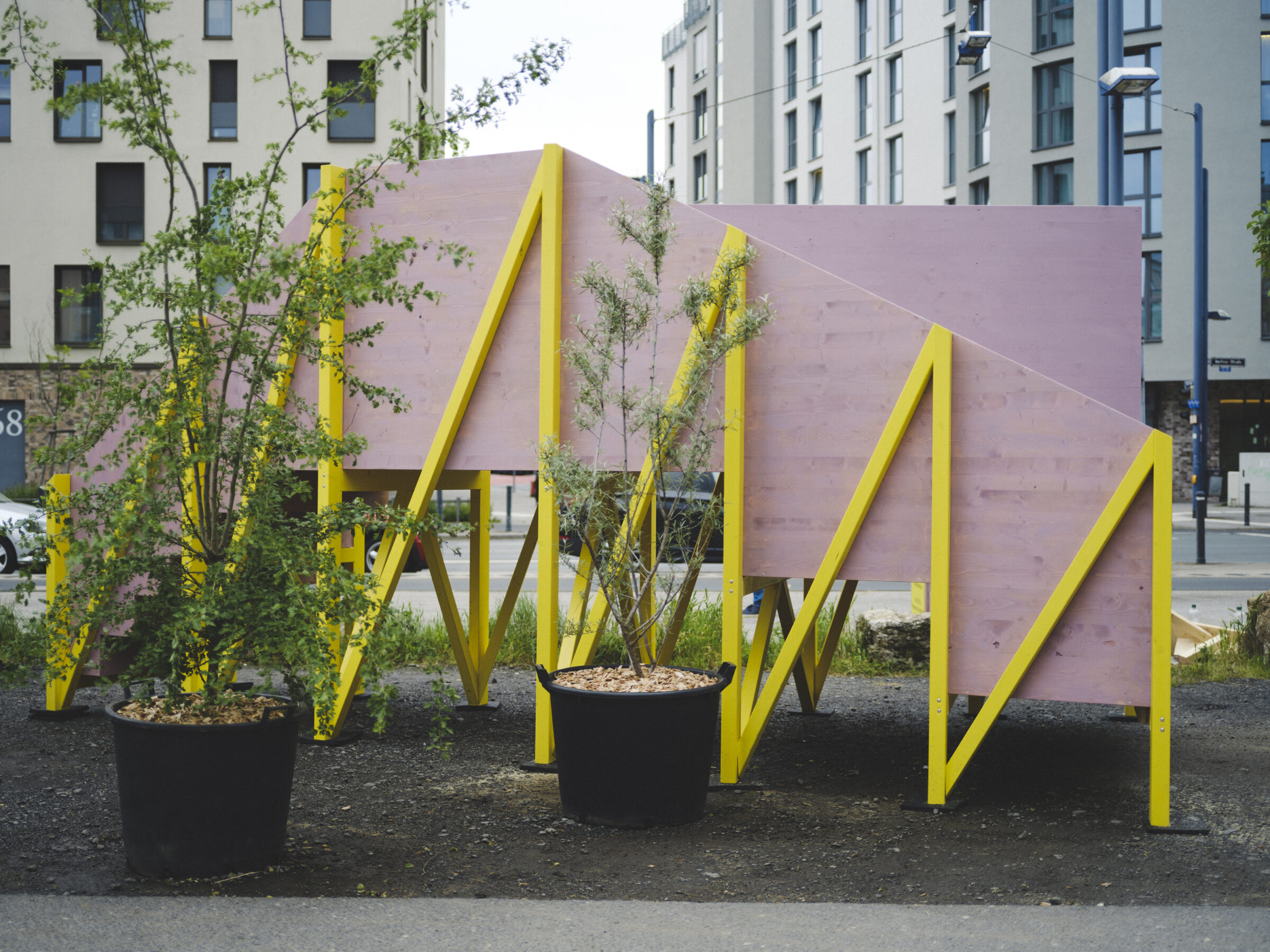
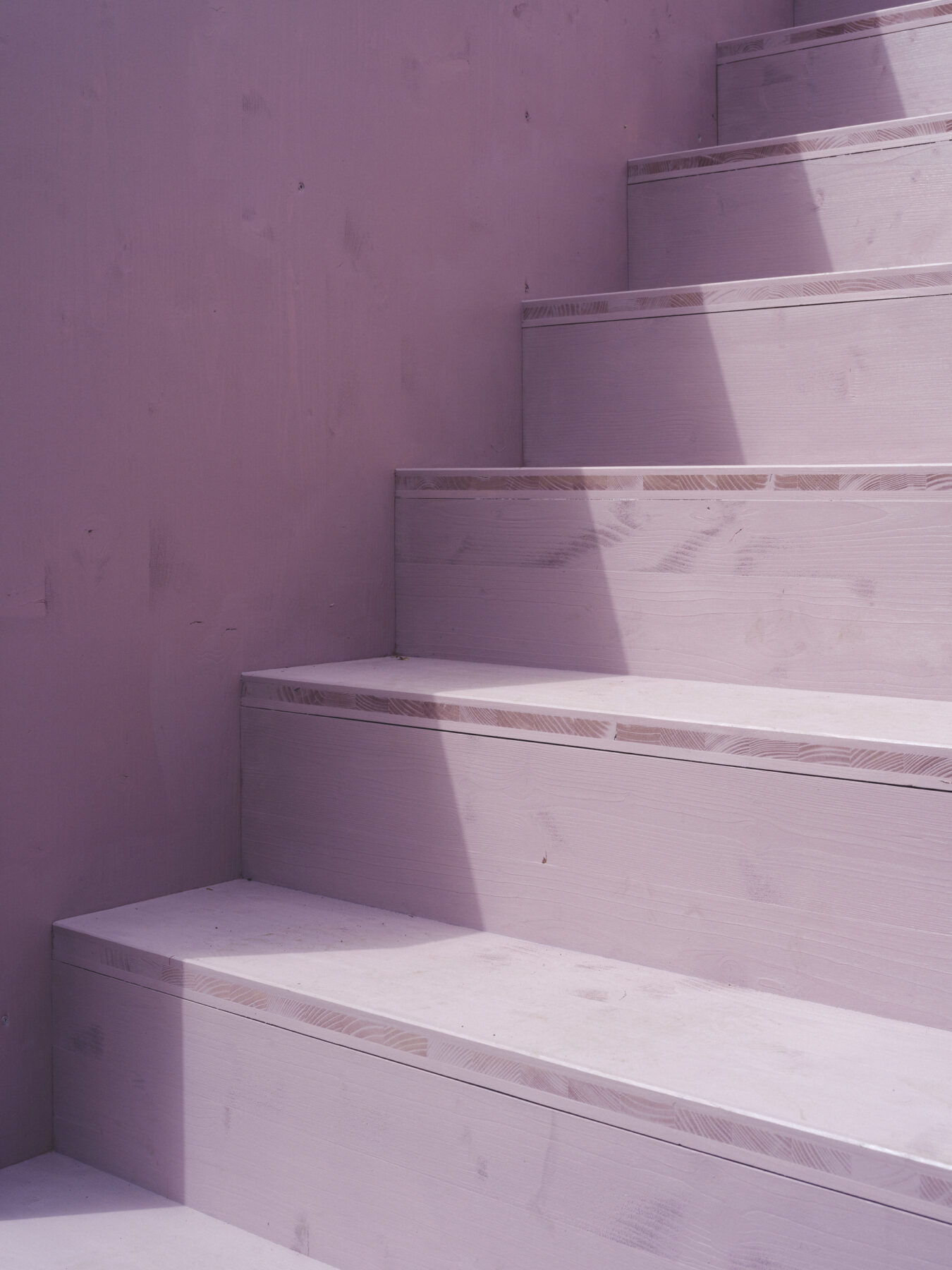
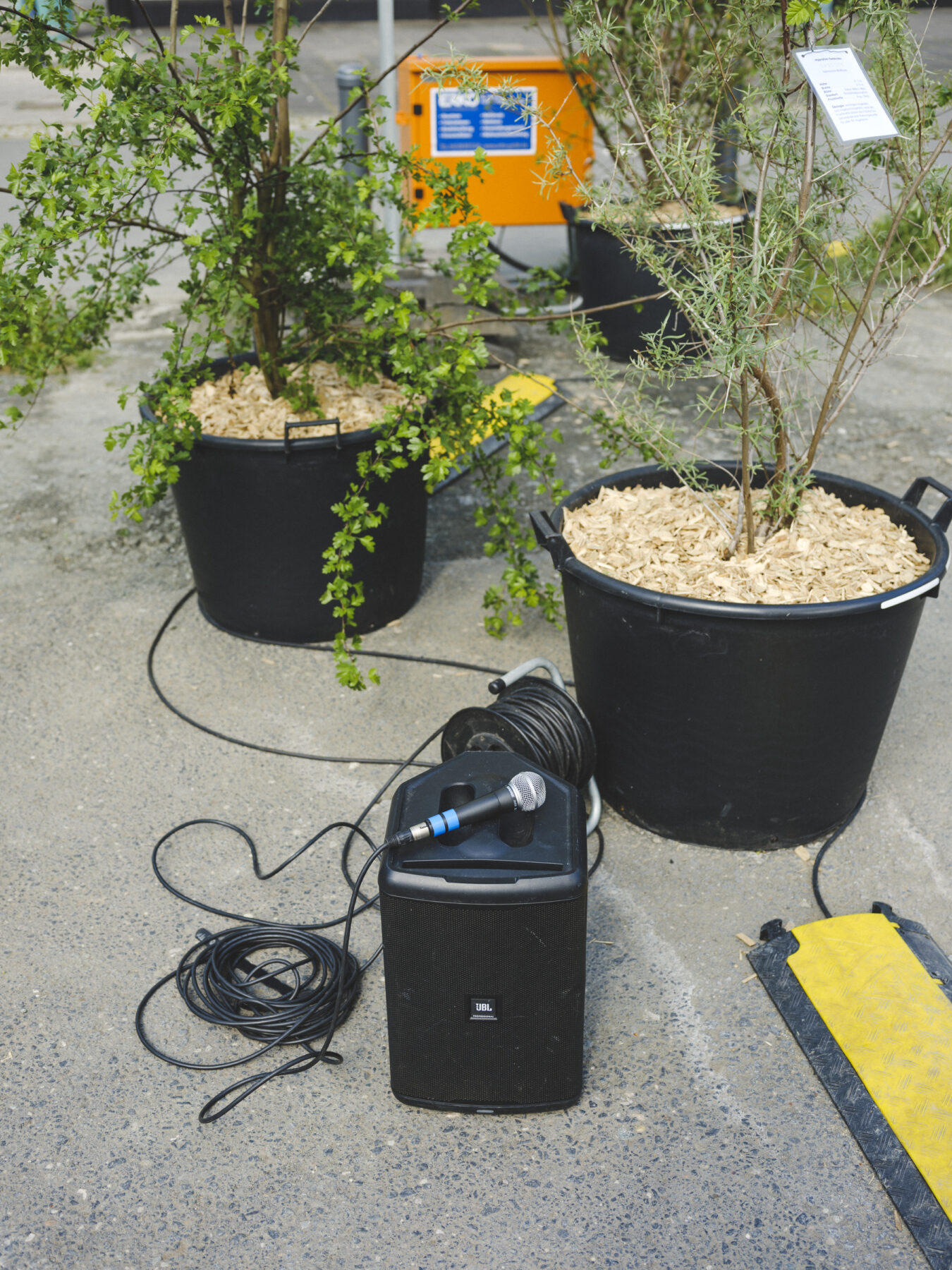
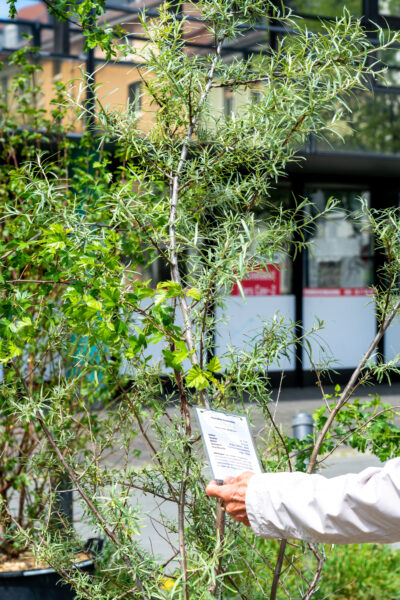
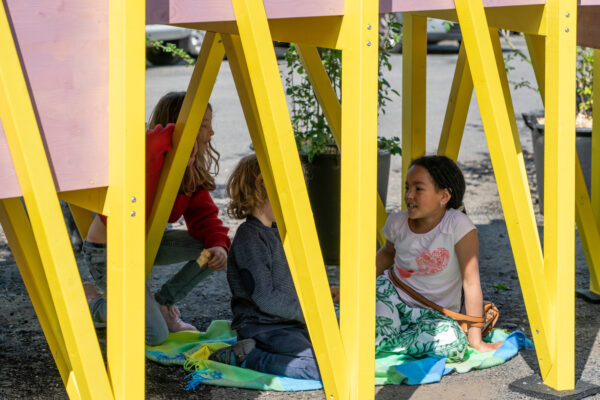
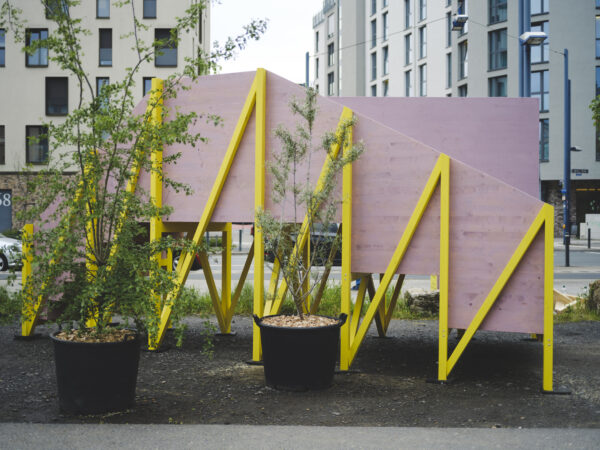
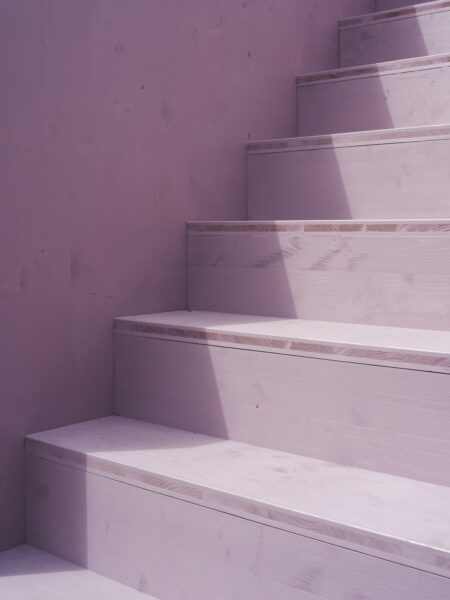
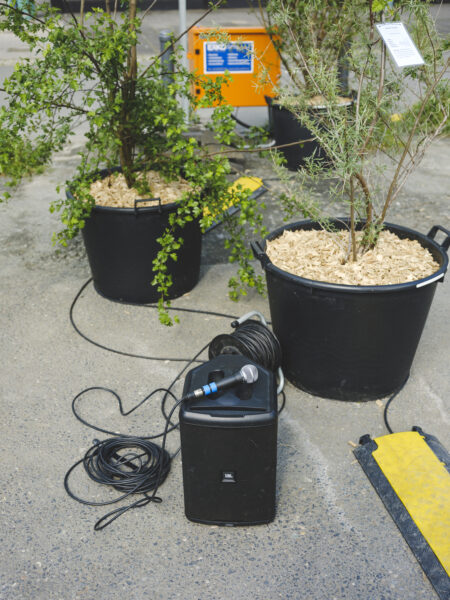
Während der Sommermonate wurde der Ort zu einem Raum für Austausch und Aufenthalt: Eine Sitztribüne lud zum Verweilen ein und richtete den Blick neu auf das Gebäude. Eine Sprechbox machte die Geschichten des Ortes über eine Audioinstallation hörbar. Temporäres Grün spendete Schatten und wurde zum Habitat für Insekten und Kleintiere.
During the summer months, the site became a place where people could interact and relax. A seating area invited visitors to linger and draw their attention to the building. An audio installation in the form of a sound box brought the site’s stories to life. Meanwhile, temporary greenery provided shade and became a habitat for insects and small animals.
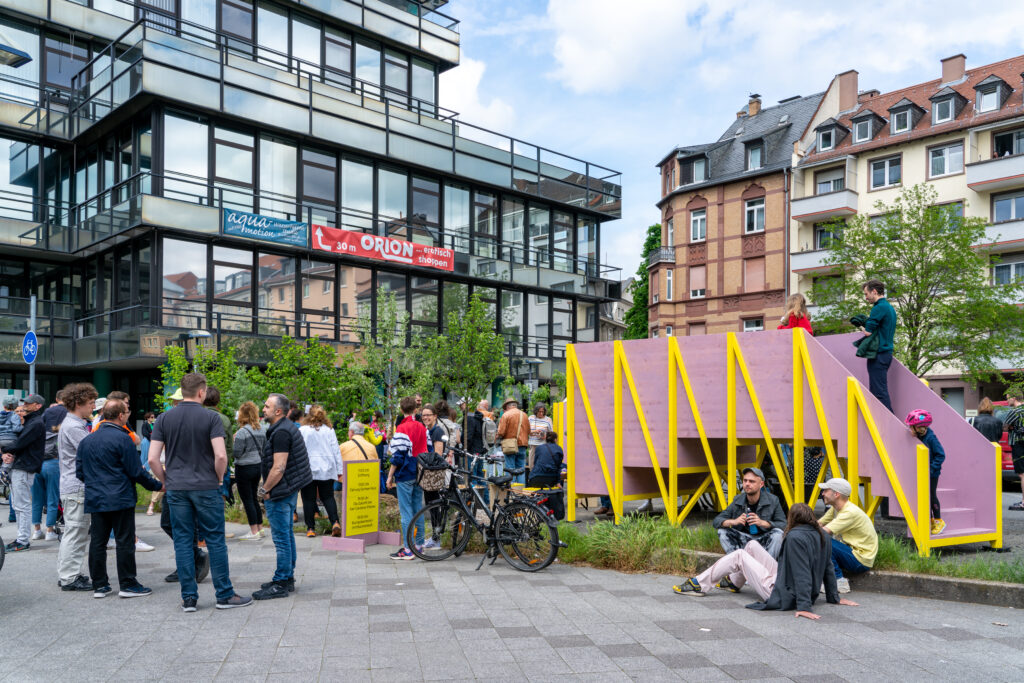
Nach dem Ende des Sommers, nach zahlreichen Begegnungen und Lernmomenten, wurde die Installation wieder abgebaut – mit der Perspektive, sie in Zukunft an einem anderen Ort erneut aufzubauen und diesen weiterzudenken.
Following numerous encounters and learning experiences over the summer, the installation traveled on, with the intention of rebuilding it in a different location in the future and further developing the concept.